By Emmett Porter
What a Tackle Utility Box Does
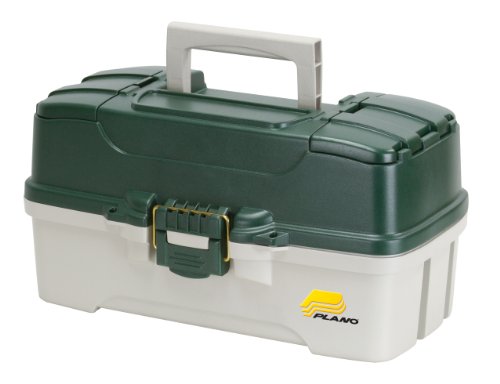
The Minnesota Department of Natural Resources describes a tackle box as an angler’s toolbox, a container that stores gear and keeps it organized and easily accessible. A small, top-opening tackle box with one tray is a good first box for beginners, according to the MinnAqua lesson. Plastic tackle boxes are rugged and will keep your tackle dry. The lesson emphasizes that the box should not be so overstocked with unused equipment that it becomes heavy, cumbersome, or difficult to use.
Choosing the Right Container for Your Gear
Hard Tackle Boxes with Trays
The Minnesota DNR suggests a small, top-opening tackle box with one tray as a good first box. These boxes are rugged, keep tackle dry, and are easy to carry. Use the tray for small items and the space below for larger ones. The Missouri Department of Conservation’s introduction to fishing notes that sporting goods departments stock mind-boggling inventories, but that you don’t need a garage full of equipment to go fishing. For a broader look at storage styles, see our comparison of tackle boxes, bags, and backpacks.
Small Compartment Containers for Hooks and Terminal Tackle
The Minnesota DNR lesson specifically recommends using clear 35mm film canisters to store hooks, with a different canister for each hook size. This keeps the tackle box neat and safe, and prevents hooks from tangling or pricking fingers. Hooks can also be stored hooked into a piece of foam or a cork. For other small terminal tackle like split shot sinkers, swivels, and snaps, small divided boxes or compartments in the tray work well. The New York State DEC guide explains that terminal tackle includes hooks, sinkers, bobbers, swivels, and snaps, all of which need to be organized for quick access. Learn more about hook sizes and types and how to keep them sorted.
Keeping Hooks and Lures from Tangling
The Minnesota DNR advises that hooks stored loose can become tangled and dangerous. Using individual containers for each hook size is one solution. Lures with treble hooks are easiest to manage in their own compartments, so their hooks don’t catch on each other. The lesson also mentions that artificial lures are easier to keep in a tackle box than live bait, and they can be reused if not lost. Our guide to lure types and when anglers use them can help you decide which lures deserve a dedicated spot in your box.
Carrying Only What the Trip Needs
The Minnesota DNR lesson stresses that anglers should collect only the gear they really need for their typical style of fishing. A tackle box overstocked with unused equipment becomes heavy and difficult to use. The lesson suggests that beginners start with simple tackle and outfit their boxes with essentials: a few extra hooks, sinkers, bobbers, a fingernail clipper, needlenosed pliers, and a few band-aids. The Missouri Department of Conservation’s starter list is similarly short: hooks, split shot, a few bell sinkers, two or three bobbers and a small plastic tackle box. The Minnesota DNR lesson also reminds anglers to carry a fishing regulations booklet and a fishing license. Fishing rules, including gear restrictions, size limits, and bag limits, vary by state and water. Always check your state wildlife agency’s current regulations before heading out. For a checklist of beginner essentials, see our beginner fishing gear checklist.
Drying and Maintaining Your Tackle Box
The Minnesota DNR lesson includes a section on tackle maintenance: it’s a good idea to get in the habit of drying tackle after a fishing trip so lures and hooks don’t rust. Wipe off wet lures and leave the tackle box lid open for a few days to promote drying. Cleaning and drying gear also helps prevent the spread of aquatic invasive species that may have hitched a ride on tackle or fishing line. Regular care of your gear extends to your reel as well; see our fishing reel maintenance guide for cleaning and lubrication tips.
Comparison Table: Container Styles at a Glance
| Container Style | Best For | Watch-Outs |
|---|---|---|
| Small top-opening hard tackle box with one tray | General gear storage, keeping tackle dry and organized; good for beginners | Can become heavy and cumbersome if overstocked with unused equipment (Minnesota DNR) |
| Clear 35mm film canisters or small containers | Storing hooks by size, preventing tangling, keeping box neat and safe | Label each canister with the hook size so you can find the right one quickly |
Frequently asked questions
What size tackle box should a beginner start with?
The Minnesota DNR recommends a small, top-opening tackle box with one tray. This size is easy to carry and provides enough space for essential gear without encouraging overpacking. The Missouri Department of Conservation also suggests that beginners start with a basic tackle box stocked with only the items needed for local fishing conditions.
How do I stop hooks from rusting in my tackle box?
According to the Minnesota DNR, you should dry your tackle after each fishing trip. Wipe off wet lures and leave the tackle box lid open for a few days to allow moisture to escape.
Should I have separate tackle boxes for different types of fishing?
The Minnesota DNR notes that more advanced anglers may keep several tackle boxes for different conditions, such as one for ice fishing, one for stream fishing, and one for summer lake fishing. This approach keeps gear organized and tailored to the specific techniques and species targeted on each trip.
For more on choosing and organizing your fishing storage, see our Tackle Storage section.
Sources
- Minnesota DNR MinnAqua: Tackling Your Tackle Box
- Missouri Department of Conservation: An Introduction to Fishing
- New York State DEC: I FISH NY Beginners’ Guide to Freshwater Fishing

About Emmett Porter
Emmett covers beginner & family fishing, comparing specs, features and long-term owner feedback to help readers choose with confidence.