By Emmett Porter
Tackle storage keeps lures, hooks and tools organized, protected and easy to reach. The best option depends on how far you walk, whether you fish from the bank, a boat or a kayak, and how much tackle you bring.
Quick comparison
| Type | Portability | Capacity | Protection | Best for |
|---|---|---|---|---|
| Hard tackle box | Medium | Medium to large | High (crush-resistant) | Boats, car-to-bank trips |
| Soft tackle bag | Medium | Large (holds utility boxes) | Medium | Flexible setups, boats |
| Fishing backpack | High | Medium to large | Medium | Walking to remote spots, kayaks |
| Sling or hip pack | Very high | Small | Low to medium | Wading, minimalist trips |
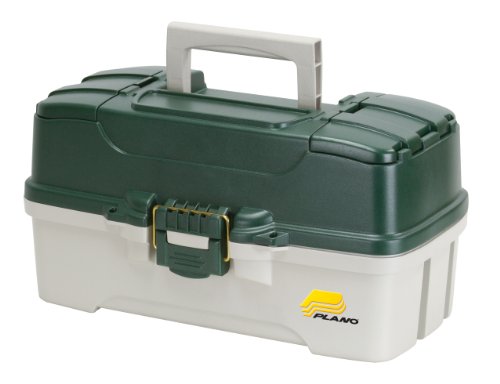
Hard tackle boxes
- Pros: rigid protection; cantilever trays open to show everything at once; easy to wipe clean.
- Cons: bulky to carry long distances; fixed compartments may not suit every lure.
- Good for: boat anglers and short walks from the car.
Soft tackle bags
Soft-sided bags designed to hold several clear plastic utility boxes, with extra pockets for tools and soft plastics.
- Pros: flexible system; swap utility boxes for each trip; shoulder strap.
- Cons: less crush protection; fabric can get wet unless the bag has a waterproof base.
Fishing backpacks
- Pros: hands free for rods and walking; good for hiking to streams, ponds and shore spots; many hold utility boxes and include rod holders.
- Cons: must be removed to access the main compartment.
- Good for: bank anglers who walk, kayak anglers who need compact storage.
Sling and hip packs
- Pros: very light; swing to the front for quick access; ideal for wading.
- Cons: limited capacity.
Utility boxes: the building blocks
Clear plastic utility boxes with adjustable dividers are used inside bags and backpacks. Organize them by lure type or technique, such as one box for soft plastics and hooks, one for hard baits, and one for terminal tackle. Label them so you can grab the right box quickly. Some boxes include anti-rust features, which help in humid or salty environments.
Water and corrosion
- Moisture causes hooks and metal lures to rust. Let boxes dry open after wet trips.
- Rinse saltwater gear with fresh water and dry it before storing. See Freshwater vs Saltwater Gear.
- Look for waterproof or molded bases on bags that will sit on wet decks or ground.
Soft plastics storage
Some soft plastics can react with certain hard plastics and other lures, causing melting or discoloration. Keep soft plastics in their original packaging or in containers designed for them, separate from hard baits.
Choosing by fishing style
- Boat: hard box or soft bag with several utility boxes.
- Bank with short walks: soft bag or small hard box.
- Hiking to remote water: backpack.
- Wading streams: sling or hip pack with a few small boxes.
- Kayak: compact backpack or crate system that fits the kayak’s storage area.
Frequently asked questions
Is a tackle bag better than a tackle box?
Neither is better overall. Bags are more flexible; hard boxes protect better. Choose based on how you travel to the water.
How do I stop hooks from rusting?
Keep tackle dry, air out boxes after trips, rinse saltwater gear with fresh water and replace rusted hooks.
Related guides

About Emmett Porter
Emmett covers beginner & family fishing, comparing specs, features and long-term owner feedback to help readers choose with confidence.