By Emmett Porter
Why a Well-Organized Tackle Box Matters
The Minnesota DNR’s MinnAqua lesson describes a tackle box as an angler’s toolbox. A neat, organized box helps you find gear quickly and keeps hooks safe to handle. Beginners should start with simple tackle and avoid overstocking, which the lesson warns can make the box heavy, cumbersome, or difficult to use. As the lesson puts it, no one item will catch you a fish, but a few simple tools can make a trip more pleasant and successful.
The Basic Essentials: What to Keep in Every Tackle Box
According to the Minnesota DNR’s Tackling Your Tackle Box checklist, a basic tackle box should hold several core items. The Missouri Department of Conservation’s fishing gear guide and its Introduction to Fishing booklet offer a similar starter shopping list. Together, these sources suggest the following essentials.
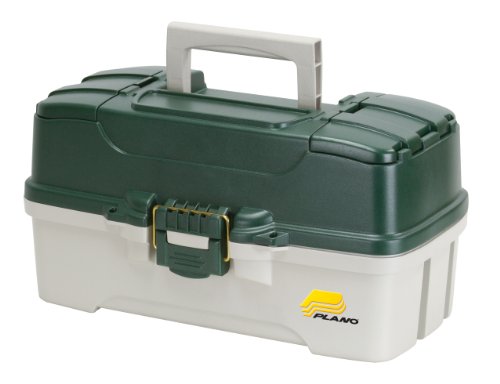
Tackle box. The Minnesota DNR recommends a small, top-opening plastic box with one tray. Plastic boxes are rugged and keep tackle dry. Choose one that is easy to carry.
Hooks. The Missouri guide explains that hooks are measured with a numbering system that runs from No. 20 to No. 0, and the bigger the number, the smaller the hook. Its shopping list includes size 6 hooks plus sizes 16 to 20. The New York State DEC guide notes that hooks have been used for over 9,000 years and remain one of the most important pieces of terminal tackle.
Sinkers. Sinkers weight the line so bait can be cast and sink. The Minnesota DNR says most sinkers are made of lead, tin, or other non-lead metals. The Missouri shopping list includes a wheel of assorted split shot and one package of three 1/2-ounce bell sinkers. The New York guide adds that sinkers are part of the terminal tackle attached to the end of the line.
Bobbers. Bobbers are floats that keep bait at a specific depth and signal when a fish bites. The Minnesota DNR describes them as usually made of plastic or foam. The Missouri list suggests two or three bobbers for a starter box.
Tools. A fingernail clipper is for cutting fishing line, not manicures. The Minnesota DNR warns that biting monofilament can damage teeth. Needlenose pliers or long-handled forceps let you gently remove a hook from a fish’s mouth, reach past sharp teeth, and flatten barbs for easier catch-and-release. The Missouri Department of Conservation’s checklist also includes a tape measure, a stringer and, as an option, a landing net.
Safety and personal gear. The Minnesota DNR checklist includes a first aid kit with clean wipes and band-aids for hook punctures or cuts, plus rubber gloves and wraps for more serious emergencies. It also lists sunscreen, sunglasses, a hat with a brim, insect repellent, a rain poncho, and drinking water. The Missouri guide similarly recommends sunscreen, insect repellent, and a first aid kit. A whistle is suggested for calling for help: blow three long blasts in an emergency.
Reference items. The Minnesota lesson lists the state fishing regulations booklet, and Missouri’s checklist includes a summary of its fishing regulations. Fishing rules, including licenses, legal gear, size limits, and bag limits, vary by state and water, so always check your state wildlife agency’s current regulations. A lake map saves time locating fishing spots. The Minnesota DNR also suggests a camera to photograph a first or large fish, a hook sharpener to keep hooks effective, and a fillet knife for cleaning the catch (children should not carry knives).
Grouping and Labeling: Keep Hooks Covered and Gear Sorted
The Minnesota DNR emphasizes that hooks must be stored safely. It recommends using small, clear containers like 35mm film canisters, one for each hook size, or hooking them into a piece of foam or cork. Covering hook tips with masking tape or hot glue makes them safer to handle during practice or when teaching beginners. This prevents tangles and accidental pokes.
Group sinkers, bobbers, swivels, and snaps in separate compartments. The New York State DEC guide notes that terminal tackle includes hooks, sinkers, bobbers, swivels, and snaps, all of which attach to the end of the line. Keeping them separated by type and size helps you quickly find the right weight or float for the conditions. For more on these items, see our guides on fishing hook sizes and types, fishing floats and bobbers, and fishing sinker types.
Tools like pliers and clippers deserve a dedicated spot. A tray compartment keeps them within reach. First aid items and personal safety gear such as sunscreen and insect repellent can be stored in a side pocket or a separate dry bag to keep them clean and accessible. Our essential fishing tools article covers pliers, cutters, and more.
A Starter Kit for Beginners: The MDC Shopping List
The Missouri Department of Conservation’s “An Introduction to Fishing” guide provides a concrete shopping list for a basic tackle box. It starts with a medium-light rod from 5 1/2 to 6 1/2 feet and a matching reel that handles 4- to 12-pound line, spooled with 8-pound monofilament in clear, light blue, or green. For the box itself, the list suggests a small plastic tackle box, two or three bobbers, a package of size 6 hooks, a wheel of assorted split shot, one package of three 1/2-ounce bell sinkers, a tape measure, a stringer or fish basket, a landing net (optional unless trout fishing), a first aid kit, sunscreen and insect repellent, and an area map. A pair of needle-nose pliers and fingernail clippers are also recommended. This starter collection covers the basics for ponds, small lakes, and rivers. If you are assembling your first setup, see our beginner fishing gear checklist for more guidance.
Building Trip-Specific Kits for Your Target Species
The Minnesota DNR lesson teaches that choosing tackle depends on the target fish species. In the lesson’s shopping exercise, students are given a budget and a fish species, then select lures and bait appropriate for that fish. The same principle applies to organizing a tackle box: before a trip, research the water and the fish you plan to catch, then pack only the lures, hooks, and weights that match. For example, the Missouri guide notes that catfish often feed near the bottom, so you need weight to keep bait low, while crappie and panfish may suspend a few feet beneath the surface, making a bobber useful. The New York guide adds that minnows should be certified disease-free and used only where regulations permit.
Advanced anglers may keep several tackle boxes for different conditions. The Minnesota DNR mentions that ice fishing supplies might be in one box, stream fishing tackle in another, and summer lake fishing gear in yet another. This approach keeps each kit light and focused. To learn more about choosing lures for specific situations, read our lure types and when anglers use them guide.
Cleaning and Drying After Each Trip
The Minnesota DNR stresses that tackle requires periodic maintenance. After a fishing trip, wipe off wet lures and leave the tackle box lid open for a few days to promote drying. This prevents hooks and lures from rusting. Cleaning and drying gear also helps prevent the spread of aquatic invasive species that may have hitched a ride on tackle or fishing line. The Missouri guide reminds anglers to check hooks after freeing a snag and replace any that are bent or broken, and to cut off frayed line and retie.
Comparison Table: Tackle Box Compartments and Suggested Contents
The table below groups common tackle box items by compartment or category, based on the checklists and shopping lists from the Minnesota DNR and Missouri Department of Conservation. Use it as a starting point and adjust for your target species and local regulations.
| Compartment / Group | Suggested Contents |
|---|---|
| Hooks & Terminal Tackle | Hooks (size 6 and sizes 16 to 20 on Missouri’s list), split shot sinkers (assorted), bell sinkers (1/2 oz), swivels, snaps, bobbers |
| Tools | Needlenose pliers, fingernail clipper, hook sharpener, fillet knife (adults only), whistle, tape measure |
| Safety & Personal Gear | First aid kit (band-aids, wipes, gloves), sunscreen, insect repellent, sunglasses, hat, rain poncho, drinking water |
| Lures & Baits (trip-specific) | Artificial lures (jigs, spinners, plastic worms, spoons, crankbaits), live bait (carried separately) |
| Reference & Extras | Fishing regulations booklet, lake map, camera, extra fishing line (6 to 12 lb), casting plug |
Note: The exact contents depend on the target fish and fishing conditions. Always check your state’s fishing regulations for legal gear, size limits, and bag limits.
Frequently asked questions
What is the single most important item in a tackle box?
The Minnesota DNR cautions that no one item will catch you a fish. However, needlenose pliers and a fingernail clipper are critical for safety and fish handling. Pliers allow you to remove hooks gently and keep fingers away from sharp teeth, while clippers let you cut line without damaging your teeth. A first aid kit is also essential for treating hook punctures or cuts.
How do I keep hooks from tangling and poking me?
The Minnesota DNR suggests storing hooks in small, clear containers like 35mm film canisters, with one canister per hook size. You can also hook them into a piece of foam or cork. Covering the hook points with masking tape or hot glue adds an extra layer of safety, especially when teaching beginners.
Should I bring the same tackle box for every fishing trip?
Not necessarily. The Minnesota DNR notes that more advanced anglers often have separate tackle boxes for different conditions, such as ice fishing, stream fishing, and summer lake fishing. Building a trip-specific kit based on your target species and the water you’ll fish keeps your box lighter and more efficient. The Missouri Department of Conservation’s guide reinforces that you don’t need a garage full of equipment; a few well-chosen items for the day’s fishing are enough.
For more on choosing the right storage system, see our Tackle Storage category page. You may also want to read about tackle box vs tackle bag vs backpack and tackle utility box sizes and dividers.
Sources
- Minnesota DNR MinnAqua: Tackling Your Tackle Box
- Missouri Department of Conservation: An Introduction to Fishing
- Missouri Department of Conservation: Fishing Gear
- New York State DEC: I FISH NY Beginners’ Guide to Freshwater Fishing

About Emmett Porter
Emmett covers beginner & family fishing, comparing specs, features and long-term owner feedback to help readers choose with confidence.