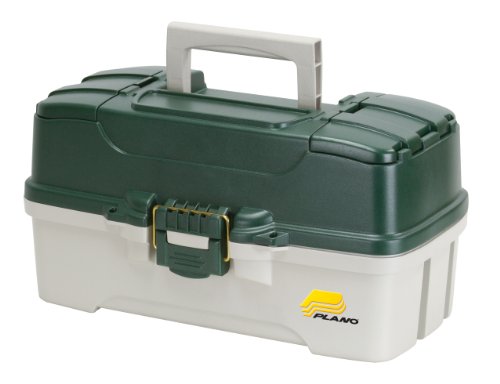
By Emmett Porter
What Are Soft Plastic Baits?
Soft plastic baits are artificial lures that come in a wide variety of shapes, sizes and colors. According to the New York State Department of Environmental Conservation’s beginners’ guide, most have appendages or tails that create a lifelike action when retrieved, while others, such as plastic stick baits, are simply a straight tapered piece of plastic. Many soft plastics contain salt or added scent to attract fish. Anglers rig them on jig heads, plain hooks or weedless setups, and they work for almost all species, though they are especially popular for bass, panfish and walleye.
Why Proper Storage Matters
The Minnesota DNR’s MinnAqua program notes that artificial lures like plastic worms are easier to keep in a tackle box than live bait and can be reused trip after trip if you don’t lose them. Good storage habits help you get the most out of that investment. Wiping down wet lures and letting the tackle box air out after a fishing trip also helps prevent the spread of aquatic invasive species that may have hitched a ride on your gear, the same program explains. A tidy, well-organized box means you spend less time digging and more time fishing.
How to Store Soft Plastic Baits
Dry Them After Every Trip
The MinnAqua guide advises anglers to wipe off wet lures and leave the tackle box lid open for a few days after returning from the water. The lesson’s reason is simple: dry tackle means lures and hooks don’t rust. Drying your gear also reduces the chance of moving invasive species between lakes and rivers.
Keep Hooks Separate
Storing hooks in small containers, such as clear film canisters, is a practice the MinnAqua program recommends for a neat and safe tackle box. Keeping hooks in their own compartment or case also prevents them from snagging and tearing soft plastic baits. A hooks and terminal tackle organizer makes it easy to grab the right size without damaging your plastics.
Carry Only What You Need
The same Minnesota DNR resource stresses that a tackle box should not be overstocked with unused equipment, which can make it heavy, cumbersome and difficult to use. Before a trip, pick out the soft plastic styles and colors you plan to fish and leave the rest at home. This keeps your tackle utility box light and your baits from getting crushed under excess gear.
Dispose of Used Baits Properly
The Minnesota DNR’s fishing regulations and sportsmanship guide states that unwanted bait should be discarded in the trash, never on land or in water. Torn, worn-out soft plastics fall under this rule. The New York DEC’s advice fits too: bring a trash bag and carry out what you carry in, including used baits.
Common Storage Problems and Fixes
| Storage Problem | Fix |
|---|---|
| Wet baits can spread invasive species | Wipe dry and leave tackle box open to air out for a few days (MinnAqua) |
| Tackle box becomes heavy and cluttered | Carry only the soft plastics you plan to use that day (MinnAqua) |
| Hooks snag and tear soft plastics | Store hooks in separate containers or compartments (MinnAqua) |
| Used baits left on shore or in water | Place them in a trash bag and dispose of them in a garbage can (MN DNR sportsmanship guide) |
Soft Plastics vs. Live Bait: Storage Comparison
Soft plastics offer a clear advantage over live bait when it comes to storage. The NY DEC guide explains that worms need to be kept in the shade in a can with moist soil, while the MinnAqua program points out that artificial lures are easier to keep in a tackle box and can be reused. The table below highlights the differences.
| Feature | Soft Plastic Baits | Live Bait (e.g., worms) |
|---|---|---|
| Storage requirements | Dry, inside a tackle box | Cool, moist soil in a shaded container (NY DEC) |
| Reusability | Can be used multiple trips (MinnAqua) | Typically single-use |
| Ease of transport | Lightweight, no special container needed | Requires a separate bait container (NY DEC) |
| Risk of spoiling | Does not dry out or spoil (NY DEC notes plastic trailers do not dry out) | Must be kept alive and fresh |
Frequently asked questions
Do soft plastic baits need to be kept moist?
No. The New York State DEC’s intermediate fishing guide notes that plastic trailers do not dry out, unlike traditional pork-rind trailers. Soft plastics are designed to stay flexible without any special moisture, so you can store them dry in your tackle box.
How should I dispose of old or torn soft plastics?
The Minnesota DNR’s sportsmanship guidance is clear: discard unwanted bait in the trash, never on land or in water. This applies to soft plastic baits that are ripped or no longer usable. Bring a small trash bag on every trip and pack out what you bring in.
Should I dry my soft plastics after fishing?
Yes. The MinnAqua program recommends wiping off wet lures and leaving the tackle box lid open for a few days to promote drying. This habit helps prevent rust on hooks and stops aquatic invasive species from hitching a ride on damp gear.
For more on keeping all your fishing gear organized and protected, visit our Tackle Storage section. Remember that fishing regulations, including license requirements, gear restrictions and bag limits, vary by state and water body. Always check with your state wildlife agency before heading out.
Sources
- New York State DEC: I FISH NY Beginners’ Guide to Freshwater Fishing
- Minnesota DNR MinnAqua: Tackling Your Tackle Box
- Minnesota DNR MinnAqua: Fishing Regulations and Sportsmanship
- New York State DEC: Intermediate Fishing, Tackle and Techniques

About Emmett Porter
Emmett covers beginner & family fishing, comparing specs, features and long-term owner feedback to help readers choose with confidence.