By Emmett Porter
Why Kayak Tackle Storage Matters
Fishing from a kayak forces you to think carefully about every piece of gear you bring. Space is tight, you are sitting low to the water, and a sudden capsize can scatter loose items in seconds. Good kayak tackle storage is not just about staying organized. It is about safety, quick access to tools, and keeping your deck clear so you can paddle and cast without snagging a hook or tripping over a box. The American Canoe Association’s kayak fishing safety tips emphasize wearing a life jacket designed for fishing, checking conditions, and knowing how to re-enter your kayak in deep water. Those habits shape how you store your tackle, too.
Start with Safety: Life Jackets and Essential Tools
The American Canoe Association specifically recommends a kayak fishing life jacket. These are built to be comfortable while casting and paddling, and they have lots of pockets for keeping fishing tackle and gear that you want quick access to. The U.S. Coast Guard reminds boaters that a wearable personal flotation device (PFD) only works when you wear it, and that it must be readily accessible, not stowed in a bag or under other gear. A life jacket with pockets lets you keep a line-cutting tool, pliers, or a whistle on your body at all times. If you end up in the water, those tools stay with you.
The U.S. Coast Guard’s life jacket brochure notes that inflatable life jackets require regular maintenance and are not for children under 16 or non-swimmers. Foam-filled life jackets should be checked for wear and buoyancy at least once a year, and waterlogged or damaged devices should be discarded. A good fit is snug and does not ride up above your chin or ears. For kayak fishing, a paddlesports touring or whitewater jacket offers freedom of movement, though it may not turn an unconscious wearer face up. The Minnesota DNR’s tackle box guide also lists a whistle as an emergency signaling tool: blow three long blasts to call for help. Keeping a whistle in a life jacket pocket puts it within reach when seconds count.
Building a Compact Kayak Tackle Kit
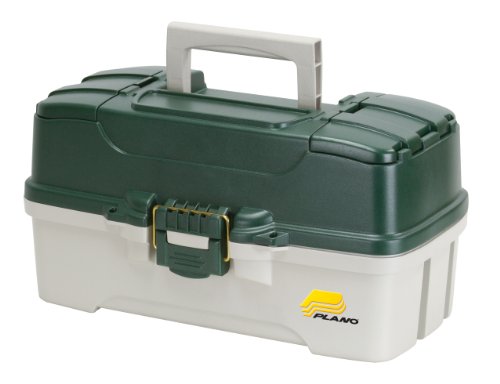
The Minnesota DNR’s educational materials on stocking a tackle box stress that a tackle box should not be so overstocked with unused equipment that it becomes heavy, cumbersome, or difficult to use. That advice is even more important on a kayak, where every pound and every inch of deck space matters. A small, top-opening tackle box with one tray is a good first box, and plastic tackle boxes are rugged and will keep your tackle dry. The goal is to carry a focused set of gear that matches the fish you are targeting and the water you are fishing.
According to the Minnesota DNR, a basic tackle kit might include a few hooks, sinkers, bobbers, a fingernail clipper for cutting line, needlenosed pliers, and a small first aid kit. Hooks should be stored in small containers like clear film canisters or stuck into a piece of foam or cork so they stay covered and organized. Extra fishing line is wise to have on hand because you may need to cut away a snag or fix a backlash. A hook sharpener, a camera, and a fillet knife can be useful, though the DNR notes that children should not carry knives. Personal safety gear such as sunscreen, sunglasses, and a hat with a brim also belong in the kit. The DNR points out that artificial lures are easier to keep in a tackle box than live bait and can be reused, which makes them practical for kayak trips.
Fishing rules, including license requirements, gear restrictions, and size and bag limits, vary by state and by water. Always check your state wildlife agency’s regulations before heading out. The Minnesota DNR publishes an annual fishing regulations booklet that summarizes all state rules, and similar resources exist for every state.
Organizing and Securing Your Gear
On a kayak, a cluttered deck is a hazard. Loose tackle can interfere with your paddle stroke, snag your line, or fly overboard if you hit a wake. The American Canoe Association’s deep-water reentry guidance makes it clear that you need to be able to get back into your kayak if you capsize. Loose gear floating around you makes that harder and can be lost. Secure your tackle box so it stays with the boat. Many kayak anglers use a crate or bag behind the seat to hold a small tackle box, but the key is that everything is fastened down or stowed in a hatch.
Hooks must always be covered. The Minnesota DNR suggests using hook containers, foam, or cork to keep points from catching on skin, clothing, or other gear. A hook buried in a seat cushion or a dry bag is a painful surprise. When you are not actively fishing, keep lures with exposed hooks closed in a box rather than loose on the deck or in a bag.
Keep the deck around your paddle stroke clear. Only the gear you need for the next cast should be out. A small utility box or a tackle utility box with dividers can sit between your legs or in a molded tray, but everything else belongs in a crate, bag, or hatch. If you use a tackle bag or backpack, make sure it is clipped to the kayak so it does not float away.
Caring for Your Tackle After a Trip
The Minnesota DNR advises anglers to get in the habit of drying tackle after a fishing trip so lures and hooks do not rust. Wipe off wet lures and leave the tackle box lid open for a few days to promote drying. This simple step also helps prevent the spread of aquatic invasive species that may have hitched a ride on your line or lures. Give your fishing pliers and line cutters the same drying routine. A little maintenance keeps your compact kayak kit ready for the next outing.
What to Carry and Where: A Quick Reference
The table below combines storage advice from the American Canoe Association’s kayak fishing safety tips and the Minnesota DNR’s tackle box guide. The “where” column reflects the idea that quick-access items belong on your life jacket, while the rest can live in a small, secured tackle box.
| Item | Where to Carry It | Why |
|---|---|---|
| Needlenosed pliers | Life jacket pocket (ACA) or tackle box (MN DNR) | Removing hooks and cutting line; handy for snags or injuries (MN DNR) |
| Fingernail clipper | Life jacket pocket or tackle box | Cutting fishing line; not for manicures (MN DNR) |
| Hooks | Tackle box in small containers, foam, or cork (MN DNR) | Keeps hooks organized and covered for safety (MN DNR) |
| Bobbers | Tackle box (MN DNR) | Floats that keep bait at a set depth and signal bites (MN DNR) |
| Sinkers | Tackle box (MN DNR) | Weights line for casting and sinking bait (MN DNR) |
| Whistle | Life jacket pocket or tackle box | Emergency signaling; three long blasts for help (MN DNR) |
| First aid kit | Tackle box (MN DNR) | Treat hook punctures, cuts, and bug bites (MN DNR) |
| Sunscreen, sunglasses, hat | Tackle box (MN DNR) | Sun protection (MN DNR) |
| Extra fishing line | Tackle box (MN DNR) | Replace line after snags or backlash (MN DNR) |
| Hook sharpener | Tackle box (MN DNR) | Keeps hooks sharp for easier baiting and hooking (MN DNR) |
Frequently asked questions
Do I need a special life jacket for kayak fishing?
The American Canoe Association recommends a kayak fishing specific life jacket because it is designed to be comfortable while casting and paddling and has pockets for tackle. The U.S. Coast Guard requires a USCG-approved wearable PFD for each person on board and stresses that a PFD only saves your life when you wear it. A fishing vest style or a paddlesports jacket with freedom of movement can work well. Inflatable life jackets are an option but require regular maintenance and are not for non-swimmers or children under 16, according to the Coast Guard’s brochure.
How do I keep my tackle from rusting in a kayak?
The Minnesota DNR advises drying tackle after every trip. Wipe off wet lures and leave the tackle box lid open for a few days so moisture can escape. This prevents rust and also helps stop the spread of aquatic invasive species.
What should I do if my kayak capsizes?
The American Canoe Association states that deep-water reentry is a fundamental skill of kayak fishing. Practice it in calm, shallow water with a partner before you need it in an emergency. Always wear your life jacket, because the U.S. Coast Guard notes that most boating-related drownings happen on nice days and a PFD cannot help if it is stowed. Secure your tackle box and other gear ahead of time so they do not float away or create a hazard during reentry.
For more ways to keep your gear organized and protected, see our tackle storage guides.
Sources
- American Canoe Association: Kayak Fishing Safety Tips
- American Canoe Association: Recreational Kayaking Safety Essentials
- U.S. Coast Guard Boating Safety: Life Jacket Wear
- U.S. Coast Guard: How to Choose the Right Life Jacket
- Minnesota DNR MinnAqua: Tackling Your Tackle Box

About Emmett Porter
Emmett covers beginner & family fishing, comparing specs, features and long-term owner feedback to help readers choose with confidence.