 By Miles Sinclair
Updated November 2026
A magnet fishing kit sale can be a good way to get started with this hobby, but the lowest-priced listing is not always the best value. This guide explains what a complete magnet fishing kit should include, how to judge magnet strength and line quality, and what to check before you click buy. By the end, you should be able to compare kits on the details that matter and head out to your first session with the right gear.
What Makes Up a Complete Magnet Fishing Kit
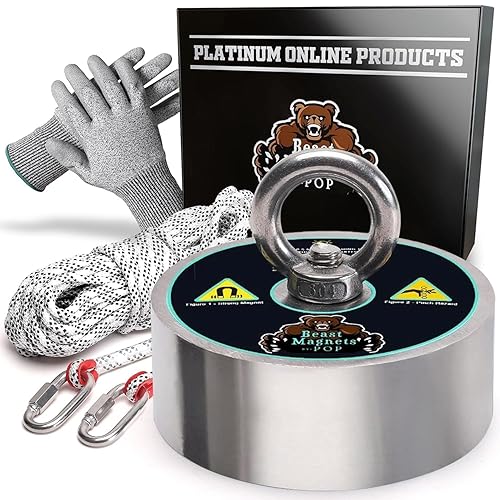
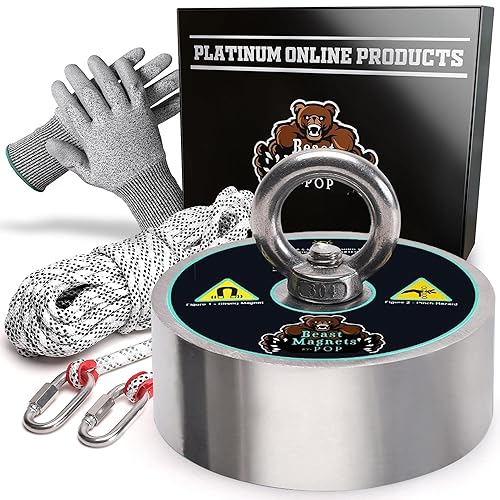
Most kits sold as a magnet fishing kit sale bundle a few core parts together. Knowing what each part does helps you tell a solid kit from a bare-bones one. Some listings also advertise a magnet fishing kit for sale that looks complete but leaves out essentials like gloves or a carabiner, so check the included items list before you buy.
- The magnet. Usually a neodymium magnet housed in a steel or coated casing, sometimes with a hook or eyebolt for attaching rope.
- The rope or line. Braided or twisted polypropylene, typically 15 to 50 feet, with a loop or carabiner on the end.
- Gloves. Heavy-duty, cut-resistant or thick rubber gloves to protect your hands from rust, sharp metal and debris.
- A carrying bag or case. Useful for keeping wet rope and a dirty magnet separate from your car or gear.
- Optional extras. A retrieval hook, a pulling handle, a cleaning brush or a waterproof bag for finds.
How to Evaluate a Magnet Fishing Kit Before Buying
Once you know what a kit should contain, the next step is checking each part against your planned use. Specifications from manufacturers are the most reliable starting point, and owners often report that the difference between a kit that works and one that frustrates them comes down to magnet pull force and rope quality.
Step 1: Check the Pull Force Rating
Manufacturers usually list pull force in pounds or kilograms, measured against a flat steel plate in ideal conditions. Real-world pull on a sunken object is weaker, because rust, mud, distance and the object’s shape all reduce grip. For general-purpose use, many beginners look for a rating that clearly exceeds 200 pounds of pull. Heavier-duty magnets advertised at several hundred pounds are better suited to larger objects, but they are harder to handle and more likely to pick up trash you do not want to retrieve.
Step 2: Look at the Magnet Coating and Casing
Neodymium magnets are brittle and corrode without protection. Check whether the listing mentions a nickel, zinc or epoxy coating, or a fully sealed casing. A coated magnet resists rust and chipping better, which matters if you fish in brackish or saltwater. Also confirm the eyebolt or attachment point is solid, not a thin wire loop that could bend under load.
Step 3: Confirm Rope Length and Strength
Rope length determines how far you can cast or drop the magnet from shore, a pier or a bridge. A 15 to 25 foot line works for shallow banks and calm docks, while 40 to 50 feet gives you reach over deeper water or a seawall. Look for a stated breaking strength, and make sure the rope is abrasion-resistant. Thin, stretchy cord wears through quickly on concrete and rock edges.
Step 4: Check Included Safety Gear
A kit that ships with gloves is a real advantage, since your hands will be the most exposed part of the process. Thick work gloves or cut-resistant gloves protect against sharp edges in old cans, wire and broken glass. Some buyers add eye protection, because a magnet can snap onto metal debris with force. This is a good reason to read the included items list carefully, and to consider buying gloves separately if a kit skips them.
A Practical Checklist Before Your First Outing
Whether you buy a kit during a sale or at full price, run through this list before your first session.
- Confirm you have permission to fish the site. Many parks, rivers and private properties prohibit magnet fishing or require a permit.
- Check local laws. Some cities and states restrict magnet fishing in certain waterways, especially near bridges, historic sites or utility lines.
- Pack gloves, a bucket or bag, a towel, and water for yourself.
- Attach the rope to the magnet and tug it to confirm the connection holds.
- Plan a safe spot to stand that is not on slick rocks, a steep bank or an unstable structure.
- Bring a phone, and let someone know where you are going.
- Have a plan for disposing of any unexploded or hazardous items, such as old ordnance or chemical containers. Do not handle suspicious objects; contact local authorities instead.
Common Mistakes to Avoid
New anglers often make the same few errors. Avoiding them will save you time and frustration.
- Buying the strongest magnet without considering handling. A very powerful magnet is hard to control and can pinch fingers or grab tools.
- Skipping gloves. Rust and sharp metal cause cuts quickly, and tetanus is a real concern with contaminated wounds.
- Using weak rope. A line that snaps means losing your magnet in the water.
- Fishing without checking rules. Penalties can be significant, and access rules are often posted near popular spots.
- Pulling up anything without looking. Treat every find as potentially hazardous until you have identified it.
Tips for Getting the Most From Your Kit
- Cast or drop the magnet slowly to reduce the chance of it snagging on the bottom.
- Sweep the magnet back and forth in a slow arc to cover more area.
- Rinse the magnet and rope with fresh water after saltwater use to slow corrosion.
- Keep a small notebook or phone log of where and when you fished, which helps you see which spots produce.
- Store the magnet away from electronics, credit cards and phones, since strong magnets can affect them.
Recommended gear
Several accessories make a practical difference for beginners and fit well alongside a standard kit.
- Cut-resistant work gloves. Heavy gloves protect against rust, glass and sharp wire, which are common in urban waterways. View on Amazon
- A heavy-duty carabiner clip. A strong clip makes it easy to attach and swap rope without retying knots. View on Amazon
- A mesh or canvas bucket. Keeps wet finds and debris contained during the trip. View on Amazon
- A waterproof bag or dry box. Useful for carrying small items you want to keep dry and separate. View on Amazon
Related Reading
If you are still comparing options, start with a broad overview in Strong Magnet Fishing Kit Picks: 5 Best for Beginners (2026), then look at a specific model such as Heavy Duty Magnet Fishing Kit Review: Is It Worth It?. Buyers who want a more compact setup may find Magnet Fishing Kit Double Sided Review: Is It Worth It? useful. For a broader look at beginner-friendly bundles, see 6 Best Magnet Fishing Kits for Beginners in 2026.
FAQ
Is a magnet fishing kit sale worth it for beginners?
It can be, as long as the kit includes a rope of reasonable length, a coated magnet and gloves. Compare what is included rather than focusing only on the discount.
What pull force do I need?
For general beginner use, a magnet rated well above 200 pounds of pull is a common starting point. Actual grip on submerged objects will be lower, so treat ratings as a rough guide.
Do I need a permit to magnet fish?
It depends on your location. Some parks, rivers and public waterways require permits or ban the activity entirely. Check local rules before you go.
What is the best rope length to start with?
A line in the 15 to 30 foot range suits most shoreline and dock use. Longer lines are useful for piers or deeper water, but they are harder to manage.
How do I clean a magnet after use?
Rinse it with fresh water, dry it thoroughly and wipe off any grit. If it is saltwater-exposed, rinse it more often to slow corrosion.
What should I do if I find something dangerous?
Do not touch suspicious items such as old ammunition, explosives or chemical containers. Note the location and contact local police or the appropriate authority.
Can magnet fishing damage my phone or cards?
Strong magnets can affect electronics and magnetic stripe cards, so store the magnet well away from them during transport.
Conclusion
A good magnet fishing kit sale is one where the magnet is coated, the rope is strong and long enough for your spots, and gloves are included or easy to add. Check local rules before you head out, and start with a safe, accessible location. With the right kit and a careful approach, your first session can be productive and safe.
Related reading
Ready to choose one?
About Miles Sinclair
Miles Sinclair is part of our editorial team and reviews and edits our beginner & family fishing guides, checking product details against manufacturer specifications and owner feedback.





Write Your Review
No reviews yet. Be the first to share your experience!