 By Miles Sinclair
Updated November 2026
A magnet fishing kit from Harbor Freight can be a sensible starting point for a beginner who wants to try retrieving metal objects from rivers, canals, lakes, and harbors without spending heavily on gear. This guide explains what a Harbor Freight magnet fishing setup typically includes, how to judge whether it fits your needs, how to rig and use it safely, and what to check before you head to the water. Along the way you will find a checklist, a comparison table, and common mistakes to avoid.
What a Harbor Freight Magnet Fishing Kit Usually Includes
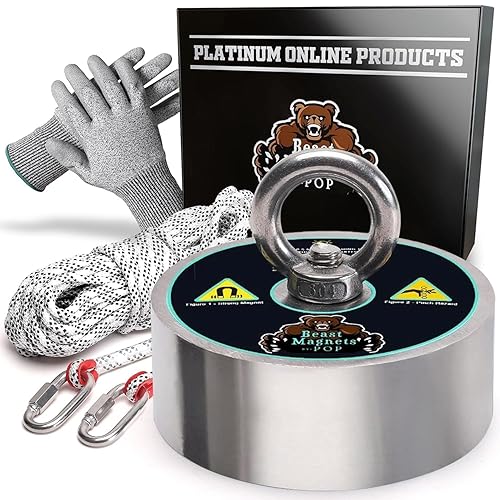
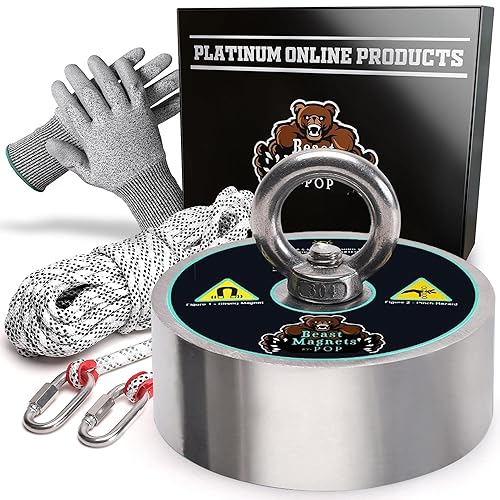
Harbor Freight sells several magnet fishing options, and their contents change over time, so always check the listing you are considering. Most entry-level magnet fishing kits are built around the same core parts: a strong neodymium or rated magnet, a length of rope, and a way to attach the two. Some add a pair of gloves, a small carry bag, or a handle. Think of the kit as a starter tool rather than a complete system.
Shopping for one? See our guide: 6 Best Magnet Fishing Kits for Beginners in 2026.
The magnet’s pull rating is the number that matters most. Manufacturers usually list a pull force in pounds, measured against a flat, clean steel plate under specific conditions. Real-world holding power is lower once you factor in mud, rust, water, and the angle of the object. As a rough guide, a magnet rated in the hundreds of pounds will handle most small finds such as tools, bike parts, and hardware, while very heavy items usually require a larger magnet and more rope.
Step 1: Decide Whether the Kit Fits Your Goals
Before buying any kit, be clear about where you plan to fish. A kit with a short rope and a modest magnet works well for shallow water near a bank, a dock, or a boat ramp. If you want to work deeper channels or pull from bridges, you will need a longer line and a stronger magnet, along with a sturdier handle.
Consider these factors:
- Water depth: Measure the depth at your spot if you can. Rope length should exceed the depth by a comfortable margin.
- Bottom type: Soft mud and silt reduce what a magnet can grab and make retrieval slower.
- Local rules: Many cities and parks require permits or restrict magnet fishing near bridges, utilities, and historic sites. Check before you go.
- Personal skill level: A beginner-friendly kit should be easy to lower, lift, and control without straining your hands or shoulders.
Step 2: Gather the Tools You Need Beyond the Kit
A basic kit rarely covers everything. Before your first trip, assemble these supplies:
- Work gloves that protect your hands from sharp edges and rust.
- A bucket or bag for finds, and a separate container for anything that needs cleaning.
- A small pair of pliers or a utility knife for freeing tangled line.
- A way to mark your location, such as a phone with GPS or a notebook.
- Water, sunscreen, and a first-aid kit.
- A printed or saved copy of local fishing and magnet-use regulations.
Step 3: Set Up and Test Your Magnet Fishing Rig
Tie and inspect the line
Check the rope for fraying, especially at the point where it meets the magnet’s eyelet or handle. Replace any rope that shows wear. Tie the attachment with a secure knot, such as a double overhand or a bowline, and tug hard before you use it. A failed knot is one of the most common causes of lost gear.
Protect the magnet
Wrap the magnet face in a thin layer of cloth or use a protective sleeve if the kit includes one. This keeps grit from scratching the surface and makes cleanup easier. Keep the magnet away from electronics, cards with magnetic strips, and anything else that can be damaged by strong fields.
Practice on dry ground
Before you reach the water, drop the magnet onto a steel object at home to get a feel for how it grabs and releases. This helps you learn to keep the line taut and avoid letting the magnet snap onto an object before you are ready.
Step 4: Cast, Drag, and Retrieve Safely
Most beginners use a simple “throw and drag” method. Toss the magnet out from shore or a dock, let it sink, and slowly pull it back in a zigzag path across the bottom. Keep the line tight so you feel changes in resistance. When the magnet catches something, stop pulling and assess the weight before lifting.
Use these principles when working the bottom:
- Stand back from the edge and keep your footing firm.
- Never wrap the rope around your hand or wrist. If the magnet snags hard, it can pull you off balance.
- Lift heavy finds slowly and in stages. Large metal objects can be unstable once they break the surface.
- Keep children and bystanders well clear of the line and the drop zone.
Step 5: Handle Your Finds Responsibly
Once you have a find, take a moment to identify it. Some items, such as ammunition, explosives, gas cylinders, or unmarked containers, are dangerous. If you suspect something is hazardous, do not touch it. Note the location and contact local police or the appropriate authority. Only handle objects you are confident are safe.
Clean finds with a stiff brush and water, then dry them fully to slow rust. Dispose of trash and sharp debris in proper containers. Many magnet fishers follow a “leave it better than you found it” rule, removing litter from the bottom as they go.
Harbor Freight Kit Comparison at a Glance
The table below compares common features to look for when evaluating a magnet fishing kit. Check the current listing for exact specifications, since Harbor Freight may change its inventory.
| Feature | Why It Matters | What to Look For |
|---|---|---|
| Pull rating | Determines the size of objects you can realistically lift | A clearly stated rating in pounds, with a note on test conditions |
| Rope length | Must reach the bottom with room to work | Length well beyond your typical water depth |
| Rope strength | Prevents breakage under load | A stated breaking strength or a durable, braided construction |
| Handle or grip | Affects control and comfort during retrieval | Non-slip grip that stays comfortable with gloves on |
| Magnet coating | Protects the surface and reduces scratches | A rubber or coated face |
| Included accessories | Saves you from buying basics separately | Gloves, bag, or carrying case |
Common Mistakes Beginners Make
- Buying the highest pull rating without considering rope length. A strong magnet on a short line is of limited use in deeper water.
- Skipping local rules. Fines and closures are common in some areas, especially near bridges and infrastructure.
- Ignoring the weight of finds. Heavy objects can injure your back or pull you toward the edge.
- Using worn rope. Inspect the line before every outing.
- Touching unknown objects. Assume anything unusual could be dangerous until proven otherwise.
- Forgetting to protect electronics. Keep phones, watches, and cards well away from the magnet.
Tips for a Better First Outing
- Start in shallow, clear water where you can see the bottom and the bank is easy to reach.
- Work in a grid or in lanes so you cover the area evenly rather than repeating the same spot.
- Bring a helper, especially if you plan to lift larger items.
- Record where you find things. Patterns often emerge near old docks, bridge abutments, and boat launches.
- Keep your first trip short. Learning the feel of the magnet takes a few sessions.
Recommended gear
A few supporting items can make a Harbor Freight kit safer and more comfortable to use. Look for these categories when you shop.
- Heavy-duty work gloves: Protect your palms from rust, sharp edges, and rope burn during retrieval. View on Amazon
- Replacement braided magnet fishing rope: A stronger, longer line can extend the reach of a basic kit and is easy to swap in when the original wears. View on Amazon
- Stiff nylon scrub brush: Useful for removing mud and loose rust from finds before you handle or store them. View on Amazon
- Waterproof carry bag or bucket with lid: Keeps finds separate from your gear and makes transport easier. View on Amazon
FAQ
Is a Harbor Freight magnet fishing kit good for beginners?
It can be a practical starting point for people who want to try magnet fishing without a large commitment. Check the pull rating, rope length, and included accessories against the spots you plan to visit.
How strong should a magnet be for everyday finds?
Many common finds, such as tools, hardware, and small metal parts, can be retrieved with moderate pull ratings. Heavier objects need stronger magnets and sturdier rope.
Do I need a permit to magnet fish?
Rules vary by city, county, state, and park. Some places allow magnet fishing freely, while others require permits or prohibit it near bridges, utilities, and protected areas. Check with local authorities before you go.
What should I do if I find something dangerous?
Do not touch it. Note the location, step away, and contact local police or the appropriate agency. Items such as ammunition, explosives, and gas cylinders should only be handled by trained personnel.
How deep can I fish with a basic kit?
Depth depends on rope length and your ability to work the line effectively. Choose a rope that exceeds the depth at your spot, and remember that deeper water is harder to search thoroughly.
Can children use a magnet fishing kit?
Children can take part with close adult supervision. Keep them back from the water’s edge, away from the drop zone, and make sure they do not handle unknown objects or heavy retrievals.
How do I clean and store my finds?
Brush off mud under water or with a hose, then dry items completely. Store metal finds in a dry place, and consider light oil or a rust inhibitor on items you plan to keep.
Should I consult a professional before magnet fishing?
If you have a back, shoulder, or heart condition, or plan to work near dangerous infrastructure, talk with a doctor or a qualified local guide before you begin. Safety and local legal questions are best confirmed with the relevant professionals.
Conclusion
A Harbor Freight magnet fishing kit can give beginners a workable way to start exploring underwater finds. Focus on rope length, pull rating, and included accessories, then build a simple setup with gloves, a bucket, and a checklist for each outing. Follow local rules, handle finds carefully, and start in easy water to build your skills before taking on deeper or more challenging spots.
Related reading
- Bondi Magnet Fishing Kit Compared: 5 Best Picks for Beginners (2026)
- 6 Best Vndueey Magnet Fishing Kit Options for Beginners (2026)
- Ugly Stik Fishing Kit: A Step-by-Step Guide for Beginners
- Travel Fishing Pole Kit: 6 Things to Check Before You Buy
- Top 7 Fresh Water Fishing Kit Picks Compareds for Beginners
- Top 7 Fishing Worm Mold Kits Compareds for Beginners in 2026
Ready to choose one?
About Miles Sinclair
Miles Sinclair is part of our editorial team and reviews and edits our beginner & family fishing guides, checking product details against manufacturer specifications and owner feedback.





Write Your Review
No reviews yet. Be the first to share your experience!