By Elliot Morgan
What Are Topwater Lures?
Topwater lures are artificial baits designed to be fished on the water’s surface. Unlike diving crankbaits or sinking spoons, these lures either float or must be retrieved continuously to stay on top. The New York State Department of Environmental Conservation’s intermediate fishing guide explains that topwater lures “work by using propellers, metal lips, rubber legs, cup-shaped mouths, or anything else necessary to cause a commotion on the surface.” Because the strikes happen where you can see them, topwater fishing is often described as one of the most exciting ways to fish. For a broader look at artificial baits, see our lure types guide.
Common Topwater Lure Types
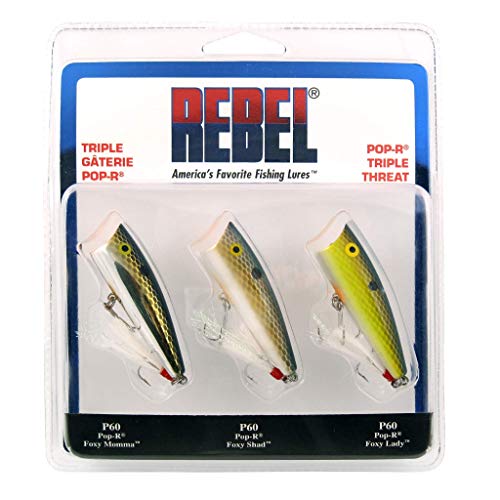
The Minnesota DNR’s MinnAqua guide describes surface lures as baits that float and resemble insects or frogs. Among them, poppers are a standout. According to the same guide, poppers have flat or scooped-out fronts that splash as they’re jerked across the water. The Flashy Fish Catchers guide from the Minnesota DNR adds that a popper’s scooped-out front makes splashes and noise, and its body shape, paint, and skirt all contribute to imitating a frog or insect. These lures are effective for sunfish, bass, northern pike, and muskellunge. Lure color can play a role in visibility; learn more in our lure color selection article.
Propeller baits, including buzzbaits, rely on a spinning blade to churn the surface. The New York State DEC’s intermediate fishing guide notes that buzz baits are an example of topwater lures that must be retrieved to stay on the surface. The spinning propeller creates a commotion that attracts predatory fish.
Plastic frogs are another popular style. The New York guide points out that these lures float and often have rubber legs that kick and wiggle. They are designed to imitate a real frog struggling on the surface. Some topwater lures combine features, such as a cupped mouth and a propeller, but the core types remain poppers, propeller baits, and floating frogs.
How Topwater Lures Attract Fish
Topwater lures appeal to a fish’s senses of sight, sound, and vibration. The Minnesota DNR’s Flashy Fish Catchers guide breaks down the attraction of a popper: its shape and color catch the eye, the scooped-out front creates a splashing noise, and the movement mimics a frog’s legs. The New York DEC guide emphasizes that the commotion on the surface is what triggers strikes, whether from a popping mouth, spinning blade, or kicking legs.
When to Fish Topwater Lures
The Minnesota DNR’s fly-fishing basics publication suggests that early summer is a prime time for topwater action, especially when sunfish are on their nests in water 2 to 4 feet deep. Wade quietly along the shoreline and cast toward visible fish or their nests. The same guide notes that trout anglers can use surface flies when they see fish rising to eat insects. In general, topwater lures work best when fish are actively feeding near the surface, regardless of the season.
Retrieves and Hook Setting
Retrieve speed and cadence can make a big difference. For poppers, the Minnesota fly-fishing basics guide recommends twitching the fly forward little by little to disturb the water and attract fish. Whether you use a spinning or baitcasting setup, the retrieve principles remain similar; see our comparison of spinning vs baitcasting reels. The New York DEC intermediate guide advises that for all topwater lures, the trick to hooking more fish is to hesitate slightly (less than a second) before setting the hook. Striking the instant you see the splash is the habit that guide is warning against. A secure knot is essential; check our fishing knots guide before you cast.
The New York DEC separates the two groups by how they stay up: plastic frogs float, while buzz baits have to be retrieved to stay on the surface, so a buzz bait needs constant reeling and a frog can be paused.
Fly-Fishing with Poppers
Fly anglers use surface flies called bugs, which include poppers, divers, and sliders. The Minnesota DNR’s fly-fishing basics guide explains that these flies imitate large insects, frogs, or mice. To fish them, you twitch the fly forward little by little to disturb the water. After casting, hold the line against the rod handle and use your line hand to jerk the line, making the popper generate a popping sound. This technique works well for bass, northern pike, and panfish. A floating fly line is essential for presenting poppers; learn more in our fly line basics guide. The guide also mentions that smaller rubber-legged poppers are good for panfish, while larger poppers and divers attract bass and pike.
Topwater Lure Types at a Glance
| Lure Type | Action | Suggested Retrieve |
|---|---|---|
| Poppers | Scooped-out front splashes and pops when jerked; imitates frog or insect (MinnAqua, Flashy Fish Catchers) | Jerk across the water to splash (MinnAqua); fly poppers twitched forward little by little (Fly-Fishing Basics) |
| Propeller Baits / Buzzbaits | Propeller spins and churns water, creating commotion (NY DEC Intermediate) | Keep reeling; buzz baits must be retrieved to stay on the surface (NY DEC Intermediate) |
| Plastic Frogs | Floats on surface; rubber legs kick and create movement (NY DEC Intermediate) | Floats, so it can be paused and moved with small twitches |
Surface lures come in a wide range of sizes. The MinnAqua tackle lesson’s price list runs from a 2 1/2-inch, 3/8-ounce surface lure to a 7 1/2-inch, 2 1/2-ounce one, so match the lure size to your rod, line and target fish. The hooks on topwater lures are often sizable; understanding hook sizes and types can help you choose the right lure.
Fishing regulations, including license requirements, gear restrictions, and size and bag limits, vary by state and body of water. Always check with your state wildlife agency before heading out.
Frequently asked questions
What fish species can I catch with topwater lures?
According to the Minnesota DNR, surface lures are effective for sunfish, bass, northern pike, and muskellunge. The fly-fishing basics guide adds that poppers and other surface bugs work well for panfish, bass, and pike, and it suggests watching for rising trout when choosing surface flies.
Do I need special gear for topwater fishing?
Topwater lures can be fished with standard spinning or baitcasting tackle. The New York DEC beginners’ guide describes using a spinning rod and reel for casting lures. For fly-fishing, a fly rod and floating line are used to present poppers and other surface flies (Minnesota DNR fly-fishing basics). Matching your rod, reel, and line to the size of the lure helps with casting and control; see our guide on how to match a rod, reel, and line.
When is the best time to throw topwater lures?
Early summer, when sunfish are on their nests in shallow water, is a prime time according to the Minnesota fly-fishing basics guide. Topwater lures are also effective whenever you see fish actively feeding near the surface, such as trout rising to insects.
For more on choosing and using lures, visit our Lures & Baits category.
Sources
- Minnesota DNR MinnAqua: Tackling Your Tackle Box
- Minnesota DNR MinnAqua: Flashy Fish Catchers
- New York State DEC: Intermediate Fishing, Tackle and Techniques
- New York State DEC: I FISH NY Beginners’ Guide to Freshwater Fishing
- Minnesota DNR: Minnesota Fly-Fishing Basics

About Elliot Morgan
Elliot researches and writes buying guides and how-to articles on beginner & family fishing. Picks are based on product specifications, brand reputation and patterns in owner feedback, and are updated as new models come out.