By Weston Barrett
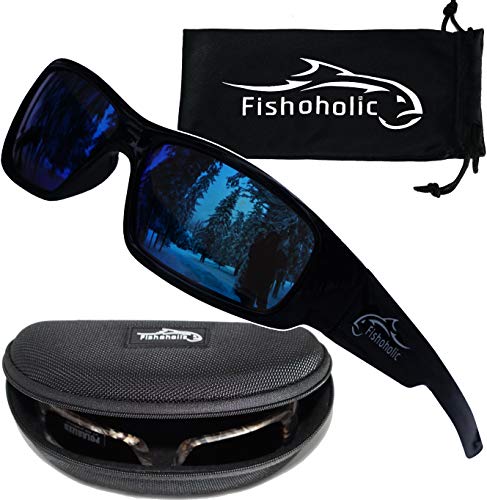
Polarized fishing sunglasses do more than cut through the harsh glare bouncing off the water. The American Academy of Ophthalmology says they cut down on glare and eyestrain, and the Minnesota DNR points out that sunglasses also help shield your eyes from stray hooks. But not all sunglasses are built the same, and the label on the frame matters more than the darkness of the lens.
How Polarized Lenses Cut Glare on the Water
According to the American Academy of Ophthalmology, glare happens when light reflects off a smooth surface, like calm water, and bounces directly into your eyes at one angle. Polarized lenses have a special chemical filter that works like a miniblind, letting in only light that comes straight at your eyes and blocking the horizontal light that creates glare. This makes the image look a bit darker, but objects appear sharper and details become easier to see. For anglers, cutting the glare off the water makes it easier to look into the water instead of at the reflection.
Polarization and UV Protection Are Not the Same
The American Academy of Ophthalmology stresses that polarization itself does not provide UV protection. UV rays, especially UV-A and UV-B, damage the eye’s surface, cornea, and lens, and can lead to cataracts and macular degeneration. When shopping for polarized fishing sunglasses, you must look for a sticker or tag that promises 100% UV protection from all types of UV light. Some labels say “UV absorption up to 400nm,” which is also acceptable. A pair of polarized lenses without that UV-blocking finish will cut glare but leave your eyes exposed to harmful radiation.
Lens Color and Darkness Say Nothing About UV Safety
It is easy to assume that darker or colored lenses offer more protection, but the Academy’s guidance is clear: only sunglasses with 100% UV protection provide the safety you need. Brown or rose-colored lenses can provide extra contrast, which some athletes find helpful, but they do not necessarily block more UV light. Mirror finishes and metallic coatings may reduce the amount of light entering your eyes, but they will not fully protect you from UV. The same goes for lens darkness. Always check the label, not the tint.
Fit and Coverage: Why Wraparound Styles Help
The Academy recommends large lenses and wraparound-style sunglasses because they offer the largest shield from sun damage and prevent UV rays from entering along the sides. On the water, light reflects from every direction, so a close-fitting frame that blocks peripheral light reduces squinting and eye fatigue. The Minnesota Department of Natural Resources’ MinnAqua safety lesson also points out that sunglasses and a hat with a brim can protect your eyes and ears from misguided hook scratches or punctures, especially on windy days. A secure, wraparound fit keeps the glasses in place when you cast or fight a fish, and the coverage adds a layer of physical protection beyond just sun safety.
When Polarized Lenses Can Be a Drawback
Polarized lenses are not perfect for every situation. The Academy notes that they can make LCD screens hard to read, including car dashboard controls, ATM machines, cell phones, and some watches. If you use a fish finder with an LCD display, keep that trade-off in mind before you buy. The Academy also mentions that polarized lenses can make it harder to spot icy patches while driving or skiing, though that is less of a concern for most fishing trips.
Sunglasses as Eye Protection from Hooks and Debris
The MinnAqua program from the Minnesota DNR explicitly teaches that sunglasses, polarized if possible, and a hat with a brim should be worn to shield eyes from the sun and to help protect eyes and ears from wayward hooks. Hooks are not always clean, and puncture wounds can cause infections or tetanus. While no sunglass lens is truly unbreakable, the Academy states that plastic lenses are less likely than glass lenses to shatter, and polycarbonate lenses can withstand stronger impacts than regular plastic lenses. If you choose polycarbonate, look for a scratch-resistant coating because uncoated polycarbonate tends to scratch easily.
How to Check Your Sunglasses for Quality
The Academy suggests a simple at-home check to spot lens distortion. Look at something with a rectangular pattern, like a tiled floor. Hold the glasses at a comfortable distance while covering one eye, then move the glasses slowly from side to side and up and down. If the rectangular lines stay straight, the lenses are fine. If the lines are wavy or wiggle, especially in the center, discard them. You can also take your sunglasses to a local optical shop to have the level of UV protection measured, because it is not clear whether UV protection fades over time.
Key Features of Polarized Fishing Sunglasses at a Glance
| Feature | What It Does | What to Check |
|---|---|---|
| Polarization | Blocks horizontal glare from water and other smooth surfaces, making objects appear sharper and reducing eyestrain. | Look for “polarized” on the label. Remember that polarization alone does not block UV rays. |
| UV Protection | Shields eyes from UV-A and UV-B radiation that can cause cataracts, macular degeneration, and other eye damage. | Insist on a tag that says 100% UV protection or “UV absorption up to 400nm.” |
| Lens Size and Wraparound Fit | Large lenses and wraparound styles block UV rays from entering along the sides and provide a wider shield against sun and stray hooks. | Try the glasses on; they should sit close to your face without gaps at the temples. Check for a secure, comfortable fit. |
| Impact Resistance | Plastic lenses are less likely to shatter than glass. Polycarbonate lenses withstand stronger impacts, which is useful around flying hooks. | If choosing polycarbonate, confirm a scratch-resistant coating is included, as uncoated polycarbonate scratches easily. |
| Lens Color and Contrast | Brown or rose-colored lenses can boost contrast, which may help you see subtle movements or structure. Color alone does not indicate UV protection. | Pick a tint that feels comfortable in the light conditions you fish most. Always verify the UV label separately. |
Building a Complete Fishing Outfit
Polarized sunglasses are one piece of a larger safety and comfort system on the water. The Minnesota DNR’s tackle box checklist puts sunglasses alongside sunscreen and a hat. Long sleeves and UPF-rated sun protection clothing shield your skin without needing to reapply lotion. Our fishing gloves guide covers hands in cold and sun, our waders guide covers wading, and our rain gear guide covers sudden weather changes. Tools like fishing pliers and hook removers help you handle fish and free snags safely, reducing the chance of a hook ending up near your face. Each item works together to make your time on the water safer and more enjoyable.
Fishing Rules Vary by State and Water
Before you head out, remember that fishing licenses, gear restrictions, size limits, and bag limits differ from state to state and even from one body of water to another. Always check the regulations published by your state wildlife agency for the water you plan to fish. This article covers only the function and selection of polarized sunglasses; it does not replace official rules.
Frequently asked questions
Do polarized lenses block UV rays?
No. Polarization reduces glare but does not, by itself, block UV radiation. The American Academy of Ophthalmology explains that you must look for a separate label that states 100% UV protection or “UV absorption up to 400nm.” Some polarized lenses come with a UV-blocking finish, but you cannot assume that all polarized sunglasses protect against UV.
Can polarized sunglasses protect my eyes from fish hooks?
They can help. The Minnesota DNR’s MinnAqua safety curriculum teaches that sunglasses, especially polarized ones, and a hat with a brim can protect eyes and ears from misguided hook scratches or punctures, particularly on windy days. While no lens is unbreakable, plastic and polycarbonate lenses are less likely to shatter than glass, adding a measure of physical protection.
How do I know if my sunglasses provide enough UV protection?
Check the tag or sticker for “100% UV protection” or “UV absorption up to 400nm.” If the label is missing or worn, you can take the sunglasses to a local optical shop to have the UV protection level measured. The Academy also recommends a simple at-home check for lens distortion: look at a rectangular pattern through the lenses and move them slowly; if the lines stay straight, the lenses are optically sound.
For more apparel and protection gear, see our Apparel & Protection category.
Sources
- American Academy of Ophthalmology: What Are Polarized Lenses?
- American Academy of Ophthalmology: How to Choose the Best Sunglasses to Avoid Sun Damage
- Minnesota DNR MinnAqua: Safety and Fishing at the Water’s Edge
- Minnesota DNR MinnAqua: Tackling Your Tackle Box

About Weston Barrett
Weston researches and writes buying guides and how-to articles on beginner & family fishing. Picks are based on product specifications, brand reputation and patterns in owner feedback, and are updated as new models come out.