By Weston Barrett
Why Sun Protection Matters When You’re on the Water
Anglers spend hours in direct sun, often with UV rays bouncing off the water. The Skin Cancer Foundation says clothing is the single most effective form of sun protection because it absorbs or blocks harmful UV radiation without needing reapplication like sunscreen. Understanding how fishing sun protection clothing works helps you choose gear that keeps your skin safe while you focus on the fish.
What UPF Means and How It Differs from SPF
The Skin Cancer Foundation explains that Ultraviolet Protection Factor (UPF) indicates how much UV radiation (both UVB and UVA) a fabric allows to reach your skin. A UPF 50 fabric blocks 98 percent of the sun’s rays and lets only about 2 percent (1/50th) penetrate. The foundation considers UPF 30 to 49 very good protection and UPF 50+ excellent. It requires a UPF of at least 50 for its Seal of Recommendation.
UPF is not the same as SPF, which stands for Sun Protection Factor. According to the Skin Cancer Foundation, SPF measures only UVB rays and is based on the time it takes for unprotected skin to redden. For example, if you burn after 20 minutes, an SPF 15 sunscreen may protect you 15 times longer when used correctly. UPF, on the other hand, covers both UVB and UVA rays and applies to fabric rather than lotion.
What Affects How Well Clothing Blocks UV Rays
The Skin Cancer Foundation identifies several factors that determine how protective a garment is. These apply to any fishing shirt, gaiter, or pair of pants you consider.
Color: Dark or bright colors such as red, black, and navy blue absorb more UV rays than lighter shades like whites and pastels. The foundation notes that an everyday white cotton T-shirt has a UPF of only about 5, while a dark, long-sleeved denim shirt can provide a UPF of roughly 1,700, essentially complete protection.
Construction: Dense, tightly woven fabrics like denim, canvas, wool, and synthetic fibers block more UV than sheer, thin, or loosely woven cloth. Many modern fishing shirts use high-tech, lightweight, breathable synthetics designed specifically for UPF performance.
Content: Unbleached cotton contains natural lignins that act as UV absorbers. Shiny polyesters and lightweight satiny silks can be highly protective because they reflect radiation. Some fabrics are treated with chemical UV absorbers or dyes that prevent UV penetration.
Fit: Loose-fitting apparel is better. Tight clothing can stretch the fibers apart, allowing more UV light to pass through. The Skin Cancer Foundation warns that if a garment gets stretched or wet, it loses some of its protective ability and becomes more transparent to UV.
Coverage: The more skin your outfit covers, the better. Long-sleeved shirts and long pants are the safest choices. A white T-shirt offers only moderate protection when dry, and when wet its UPF drops to about 3, according to the Skin Cancer Foundation.
The table below summarizes these factors based on guidance from the Skin Cancer Foundation.
| Factor | Better Choice | Why |
|---|---|---|
| Color | Dark or bright colors (red, black, navy) | Absorb UV rays rather than letting them penetrate |
| Construction | Dense, tightly woven synthetics or denim | Less space between fibers means less UV passes through |
| Content | Unbleached cotton, shiny polyester, treated fabrics | Natural lignins absorb UV; shiny surfaces reflect; chemical treatments block |
| Fit | Loose-fitting | Prevents stretching that opens gaps in the weave |
| UPF label | UPF 50+ | Blocks 98% of UV rays; meets Skin Cancer Foundation Seal of Recommendation |
| Coverage | Long sleeves, long pants | More skin covered reduces exposure risk |
| Activity | Keep fabric dry and unstretched | Wet or stretched fabric loses protective ability significantly |
Hats: Start at the Top
The Skin Cancer Foundation emphasizes that hats are a must for anglers. Basal cell and squamous cell carcinomas account for about 90 percent of all skin cancers and often appear on the head and neck. A sun-safe hat should have a brim of at least three inches to shade the face, scalp, neck, shoulders, and upper back, plus easily overlooked spots like the tops of the ears. Look for a tightly woven hat rather than a loosely constructed straw hat that lets UV rays through. The Minnesota DNR’s fishing safety guide also recommends a hat with a brim to shield eyes from the sun and to help protect against wayward hooks on windy days.
Sunglasses: More Than Glare Reduction
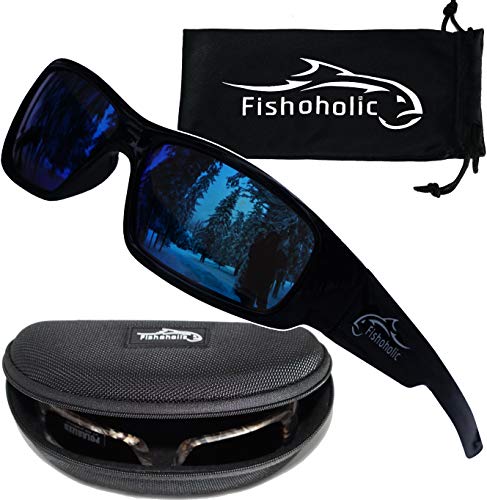
The American Academy of Ophthalmology advises that sunglasses are essential in all seasons to protect eyes from UV-A and UV-B rays, which can damage the cornea and lens and lead to cataracts and macular degeneration. When choosing fishing sunglasses, look for a tag that promises 100% UV protection or “UV absorption up to 400nm.” Large, wraparound-style lenses offer the most coverage by blocking UV from the sides. Polarized lenses reduce glare bouncing off the water, but the academy stresses that polarization itself does not provide UV protection. You must check that polarized lenses also carry a UV-blocking label. The Minnesota DNR guide similarly suggests polarized sunglasses with UV protection to cut surface glare and shield eyes from stray hooks. For a deeper look at lens options, see our polarized fishing sunglasses guide.
Sunscreen and Uncovered Skin
Even with the best clothing, some skin will remain exposed. The Minnesota DNR’s MinnAqua program advises using a waterproof sunscreen with an SPF of at least 15, and applying it generously to the nose, ears, and neck. A lip balm with sunscreen is also recommended. The guide reminds anglers that UV rays pass through clouds, so sunscreen matters on overcast days too. The Skin Cancer Foundation adds that sunscreen should be reapplied every two hours if you are exposed to the sun.
After applying sunscreen or insect repellent, the Minnesota DNR guide reminds anglers to clean their palms thoroughly. Residue on hands can transfer to bait or lures and create tastes or smells that may turn fish away.
Putting It All Together for a Day on the Water
A complete sun protection strategy for fishing combines several layers. The Skin Cancer Foundation recommends using clothing, a wide-brim hat, UV-filtering sunglasses, sunscreen, and shade together. The Minnesota DNR guide suggests taking frequent shade breaks, wearing lightweight long sleeves and long pants, and bringing a jacket. Sturdy shoes protect feet from hooks and uneven terrain. If you wade, consider how sun protection integrates with your wading gear; our fishing waders guide covers materials and safety. For wet weather, see our fishing rain gear article.
Fishing regulations, including license requirements, gear restrictions, and size and bag limits, vary by state and body of water. Always check the rules published by your state wildlife agency before you go.
Protecting your hands from sun and hooks is another piece of the puzzle. Our fishing gloves guide walks through UPF fabric for the hands, cold-weather gloves and fish handling. And if you are just building your kit, the beginner fishing gear checklist helps you cover the essentials.
Frequently Asked Questions
Does a higher UPF rating mean I can stay in the sun longer?
A higher UPF rating means less UV radiation reaches your skin, but it does not give you a timed window like SPF. The Skin Cancer Foundation explains that UPF measures the fraction of UV rays that penetrate the fabric. For example, UPF 50 allows only 1/50th of UV radiation through. However, if the fabric gets wet or stretched, its protection drops regardless of the label. Combine high-UPF clothing with sunscreen on exposed areas and take shade breaks.
Can I rely on a regular cotton T-shirt for sun protection while fishing?
No. The Skin Cancer Foundation puts an everyday white T-shirt at a UPF of only about 5 to 7 when dry, falling to about 3 when wet. A dark, long-sleeved shirt made of tightly woven fabric or a purpose-built UPF garment offers far better protection. Lightweight, breathable fishing shirts with a UPF 50+ label are designed to keep you cool while blocking UV.
Do polarized sunglasses block UV rays?
Not necessarily. The American Academy of Ophthalmology states that polarization reduces glare from reflective surfaces like water but does not provide UV protection on its own. You must check that the lenses also carry a label promising 100% UV protection or “UV absorption up to 400nm.” Many polarized fishing sunglasses combine both features, but always verify the UV rating.
Browse our fishing apparel and protection guides for more advice on staying safe and comfortable on the water.
Sources
- The Skin Cancer Foundation: Sun-Protective Clothing
- The Skin Cancer Foundation: Dress to Protect
- Minnesota DNR MinnAqua: Safety and Fishing at the Water’s Edge
- American Academy of Ophthalmology: How to Choose the Best Sunglasses

About Weston Barrett
Weston researches and writes buying guides and how-to articles on beginner & family fishing. Picks are based on product specifications, brand reputation and patterns in owner feedback, and are updated as new models come out.