 By Miles Sinclair
Updated November 2026
Sea fishing rigs diagrams for beginners are most useful when they show you exactly how a rig is laid out: where the hook sits, where the sinker goes, how the leader connects to the main line, and how the bait is presented. If you are new to saltwater, a diagram can save you hours of trial and error on the shore or the dock. This guide compares three reference books that take a diagram-first approach. We looked at how clearly each one illustrates common rigs, how well the drawings are tied to written steps, how useful the coverage is for shore, pier and boat fishing, and whether the material suits a true beginner rather than an experienced angler.
Our top picks at a glance
- 1
 TOP CHOICEBest overallSea Fishing Rigs for Beginners 2026: A Step-by-Step Guide to Shore, BeView on Amazon
- 2
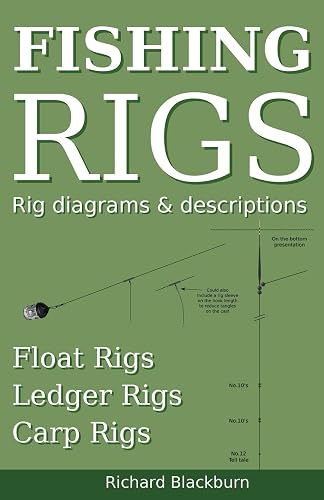 Best for dense rig referenceFishing Rigs: Diagrams and descriptions of dozens of fishing rigs usedView on Amazon
- 3
 Best for Florida saltwaterFlorida Saltwater Fishing Made Simple: The Complete Beginner’s Guide tView on Amazon
Our Top Picks
Quick Comparison
| Product | Best for | Key feature |
|---|---|---|
| Sea Fishing Rigs for Beginners 2026 | Beginners who want step-by-step rig building across several saltwater settings | Shore, beach, pier, rock and boat rig coverage |
| Fishing Rigs: Diagrams and descriptions | Anglers who want a large library of rig drawings to compare | Dozens of rig diagrams with written descriptions |
| Florida Saltwater Fishing Made Simple | Beginners fishing Florida waters, especially without a boat | Rigs bundled with fish species, baits, knots, seasons and tides |
Sea Fishing Rigs for Beginners 2026: A Step-by-Step Guide to Shore, Beach, Pier, Rock and Boat Rigs
Sea Fishing Rigs for Beginners 2026: A Step-by-Step Guide to Shore, Beach, Pier, Rock and Boat Rigs for Catching More Fish
Best for: Beginners who want step-by-step rig building across several saltwater settings
This book suits someone who has never tied a sea rig and wants a guided path from simple setups to more specific ones. Because it is organized by fishing location, a reader on a pier or beach can find the rig that matches where they are standing rather than paging through rigs meant for a boat.
Key specs
- Format: printed guide covering sea fishing rigs
- Coverage: shore, beach, pier, rock and boat rigs
- Approach: step-by-step rig construction
Pros
- Organized by location, so you can find a rig for your spot quickly
- Step-by-step instructions suit learners who prefer a sequence
- Covers a range of saltwater settings in one volume
Cons
- Some rigs may be better suited to experienced anglers who already know their target species
- Diagrams are best used alongside a physical rig to practice tying
Bottom line: A strong first pick for a beginner who wants to build rigs step by step for several saltwater situations.
Fishing Rigs: Diagrams and descriptions of dozens of fishing rigs used to catch coarse fish
Fishing Rigs: Diagrams and descriptions of dozens of fishing rigs used to catch coarse fish.
Best for: Anglers who want a large library of rig drawings to compare
This title is built around diagrams. Its focus is on rig layouts and descriptions, which makes it useful for reading a drawing and then matching it to your own setup. Note that its stated focus is coarse fish, so it is a fit for freshwater-style rigs more than saltwater-specific ones. Beginners fishing the sea should check whether a given diagram applies to their target species.
Key specs
- Format: diagram-based rig reference
- Coverage: dozens of rigs described and illustrated
- Focus: rigs used to catch coarse fish
Pros
- Large number of diagrams in one place for comparison
- Written descriptions accompany each illustration
- Useful for learning how rig components are arranged
Cons
- Coarse fish focus means fewer rigs apply directly to saltwater species
- Less guidance on sea-specific factors such as tides and seasons
Bottom line: Best for a beginner who wants a diagram reference and is comfortable adapting freshwater-style rigs to sea use.
Florida Saltwater Fishing Made Simple: The Complete Beginner’s Guide to Fish, Rigs, Baits, Knots, Seasons, Tides and Where to Fish Without a Boat
Florida Saltwater Fishing Made Simple: The Complete Beginner’s Guide to Fish, Rigs, Baits, Knots, Seasons, Tides & Where to Fish Without a Boat
Best for: Beginners fishing Florida waters, especially without a boat
This guide bundles rigs with the wider context a new saltwater angler needs: which fish you may catch, what baits work, which knots to tie, how seasons and tides affect fishing, and where to fish from land. For a beginner in Florida, that context can matter as much as the rig drawings themselves.
Key specs
- Format: beginner guide to Florida saltwater fishing
- Topics: fish, rigs, baits, knots, seasons, tides and shore locations
- Setting: no-boat fishing emphasis
Pros
- Rigs are placed alongside knots, baits and tides for a complete picture
- Useful for planning trips around seasons and tide changes
- Focused on fishing without a boat, which fits many beginners
Cons
- Regional focus on Florida limits relevance for anglers elsewhere
- Covers many topics, so rig diagrams may get less space than a dedicated rig book
Bottom line: The right choice for a beginner fishing Florida who wants rigs explained within the wider saltwater picture.
Buying Guide
Diagram clarity
Look for drawings that label each component: hook, sinker, swivel, leader and main line. Clear labels and a side view of how the rig sits in the water help you visualize the finished setup. Simple line drawings often communicate better than busy illustrations.
Good picks for this: Sea Fishing Rigs for Beginners 2026, Fishing Rigs: Diagrams and descriptions
Coverage of your fishing location
Sea rigs change with where you fish. A rig built for a boat drift is different from one used from a jetty or a sandy beach. Check whether the guide groups rigs by location and whether those groups match where you plan to fish.
Good picks for this: Sea Fishing Rigs for Beginners 2026, Florida Saltwater Fishing Made Simple
Written instructions alongside drawings
A diagram shows the finished rig, but a written sequence explains how to build it. Look for numbered steps, knot names and notes on what to avoid. Written steps are especially helpful if you are learning knots at the same time.
Good picks for this: Sea Fishing Rigs for Beginners 2026, Florida Saltwater Fishing Made Simple
Target species and saltwater relevance
Check which fish a guide is built around. A reference focused on coarse fish may offer useful rig layouts, but you will need to confirm that a given setup suits the species you are after in salt water. Match the guide’s focus to the fish you actually plan to catch.
Good picks for this: Florida Saltwater Fishing Made Simple, Sea Fishing Rigs for Beginners 2026
Depth of rig variety
A larger number of diagrams gives you more options to compare, but more is not always better for a beginner. Start with a handful of simple rigs such as a basic bottom rig or a dropper rig, then expand. A guide with a manageable set of well-explained rigs can be more useful than a very long list.
Good picks for this: Fishing Rigs: Diagrams and descriptions, Sea Fishing Rigs for Beginners 2026
Practical extras such as knots, tides and seasons
A rig is only part of a successful trip. Knot instructions, tide information and seasonal notes help you decide when and where to use a rig. If you are fishing from shore or a pier, these extras can be as valuable as the rig drawings.
Good picks for this: Florida Saltwater Fishing Made Simple
Practice with real line and hooks
Diagrams are a starting point, not a substitute for hands-on practice. Keep a spare length of line and a few hooks at home so you can tie each rig several times before you use it on the water. Sea rigs are often exposed to rough conditions, so a secure knot matters.
Good picks for this: Sea Fishing Rigs for Beginners 2026, Fishing Rigs: Diagrams and descriptions
FAQ
What is a sea fishing rig?
A sea fishing rig is an arrangement of hooks, sinkers, swivels and leaders that presents bait to fish in saltwater. Rigs are built to suit the location, the target species and the current or depth where you fish.
Do I need a diagram to tie a rig?
A diagram is not strictly required, but it makes learning much easier. Seeing how the components connect helps you avoid common mistakes such as tangled leaders or a hook placed in the wrong position.
Which rig should a beginner learn first?
Many beginners start with a simple bottom rig or a basic dropper rig because the setup is straightforward and the components are easy to find. Once you are comfortable with those, you can move on to more specific rigs for your location.
Are freshwater rig diagrams useful for saltwater fishing?
Some layouts translate well, but saltwater conditions such as current, tides and corrosive water can change what works. Use freshwater diagrams as a starting reference and check that components are suitable for salt water.
How do I choose the right sinker weight?
The right weight depends on current strength, depth and whether you are fishing from shore or a boat. Heavier weights hold bottom in stronger current, while lighter weights suit calmer water. A guide that explains weight selection will help you adjust.
Should I learn knots before rigs?
Learning a few reliable knots, such as a clinch knot or a improved clinch knot, makes building rigs much easier. Many guides include knot instructions alongside rig diagrams, which is a good reason to choose one that covers both.
Can I use these guides without a boat?
Yes. Many rigs are designed for shore, pier, beach and dock fishing. Check whether the guide organizes rigs by location so you can focus on the setups that match where you will actually fish.
Conclusion
For most beginners, Sea Fishing Rigs for Beginners 2026 is the most direct starting point, because it walks through rig construction step by step across several saltwater settings. If you want a large set of diagrams to compare and you are comfortable adapting coarse-fish layouts to the sea, Fishing Rigs: Diagrams and descriptions offers that breadth. If you are fishing Florida without a boat and want rigs placed alongside knots, baits and tides, Florida Saltwater Fishing Made Simple covers the most ground. Pick the guide that matches your location and target species, then practice each rig on land before you go out.
For more beginner setups, see Saltwater Fishing Rigs for Beginners: 5 Setups to Tie and Use and Saltwater Dock Fishing Rigs: 7 Setups Beginners Can Tie Today. If you are fishing from a pier, Pier Fishing Setup for Beginners: Rod, Reel, Rig and Bait Steps covers the full setup.
Sources
- Marine fishing regulations, species information and safety guidance for saltwater anglers (noaa.gov)
- Florida fish identification, saltwater fishing rules and seasonal guidance
- Background on coastal tides, currents and water conditions that affect rig choice (usgs.gov)
Related reading
- Trout Fishing Setup for Beginners: Rod, Reel, Line and Rig Step by Step
- How to Rig a Fishing Rod for Beginners: A Step-by-Step Guide
About Miles Sinclair
Miles Sinclair is part of our editorial team and reviews and edits our beginner & family fishing guides, checking product details against manufacturer specifications and owner feedback.