 By Miles Sinclair
Updated November 2026
Saltwater fishing from a dock is one of the easiest ways for beginners and families to get into the sport. You don’t need a boat, a long drive or a lot of experience, but you do need the right landing gear, a clear understanding of the water, and a few reference materials that cover local fish and rules. This guide compares six picks across those needs. The selection criteria were practical: how well each item matches dock conditions, how clearly it covers beginner questions, how it handles the common needs of saltwater anglers, and what owners tend to report after using it. This is a research-based comparison and does not reflect personal testing.
Our top picks at a glance
- 1
 TOP CHOICEBest overallSaltwater Fishing Made EasyView on Amazon
- 2
 TOP CHOICEBest for Florida docksFlorida Saltwater Fishing Made Simple: The Complete Beginner’s Guide tView on Amazon
- 3
 TOP CHOICEBest for Outer Banks tripsFishing North Carolina's Outer Banks: The Complete Guide to Catching MView on Amazon
- 4
 Best for landing fishFoldable Bridge and Pier Fishing Net Landing Net High Load-Bearing AluView on Amazon
- 5
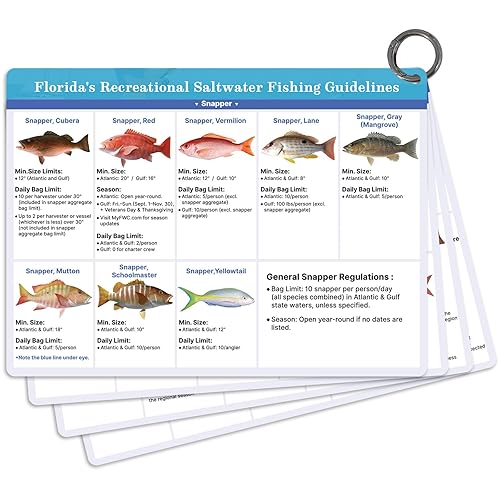 Best for fish identificationFlorida Saltwater Fish& Shark Identification Set–4 Double-Sided WaterpView on Amazon
- 6
 Best for checking depth and structureHandheld Fish Finder Portable Fishing Kayak Fishfinder Fish Depth FindView on Amazon
Our Top Picks
Quick Comparison
| Product | Best for | Key feature |
|---|---|---|
| Saltwater Fishing Made Easy | Beginners who want general guidance | Broad saltwater fundamentals |
| Florida Saltwater Fishing Made Simple | Anglers fishing Florida docks | Regional fish, rigs and seasons |
| Fishing North Carolina’s Outer Banks | Anglers fishing Carolina coastal waters | Pier, surf and sound tactics |
| Foldable Bridge and Pier Fishing Net | Landing fish from a dock | Aluminum ring with long rope |
| Florida Saltwater Fish & Shark Identification Set | Identifying catches and following rules | Waterproof double-sided cards |
| Handheld Fish Finder Portable Fishfinder | Checking depth and bottom structure | Sonar transducer with LCD display |
Saltwater Fishing Made Easy
Saltwater Fishing Made Easy
Best for: Beginners who want a general foundation before fishing from a dock.
This type of book suits someone who has never fished in salt water and wants to understand the basics before buying a lot of gear. It works well as a reference to read at home before a first trip.
Key specs
- Format: printed guide
- Subject: general saltwater fishing methods
Pros
- Covers fundamentals that apply across many coastal locations
- Useful for building a basic vocabulary of rigs and tackle
- Good starting point for families planning a first outing
Cons
- General content may not match a specific region’s species and rules
- Printed guides can become dated as regulations change
Bottom line: A strong first read for anyone who wants broad coverage before stepping onto a dock.
Florida Saltwater Fishing Made Simple: The Complete Beginner’s Guide to Fish, Rigs, Baits, Knots, Seasons, Tides and Where to Fish Without a Boat
Florida Saltwater Fishing Made Simple: The Complete Beginner’s Guide to Fish, Rigs, Baits, Knots, Seasons, Tides & Where to Fish Without a Boat
Best for: Anglers fishing Florida docks, piers and shorelines.
The title signals a focus on no-boat fishing, which matches dock angling directly. Florida’s dock and pier fishing is especially popular, so regional detail on seasons and tides is valuable.
Key specs
- Format: printed guide
- Topics listed in title: fish, rigs, baits, knots, seasons, tides, no-boat locations
Pros
- Covers knots and rigs that transfer directly to dock fishing
- Explains tide and season timing, which strongly affects dock catches
- Written with a beginner in mind, with a no-boat focus
Cons
- Florida-specific content is less useful for readers in other states
- Regulations should always be confirmed with current official sources
Bottom line: The best match for someone planning dock fishing in Florida who wants one reference covering the whole process.
Fishing North Carolina’s Outer Banks: The Complete Guide to Catching More Fish from Surf, Pier, Sound, and Ocean (Southern Gateways Guides)
Fishing North Carolina's Outer Banks: The Complete Guide to Catching More Fish from Surf, Pier, Sound, and Ocean (Southern Gateways Guides)
Best for: Anglers fishing docks and piers along North Carolina’s coast.
The Outer Banks combine surf, pier, sound and ocean fishing, so the book is useful for readers who want to understand how dock conditions differ from open surf or inshore sound fishing.
Key specs
- Format: printed guide
- Coverage: surf, pier, sound and ocean fishing
Pros
- Explains how fishing changes between different coastal settings
- Useful for anglers who fish from both docks and piers
- Regional focus gives practical location detail
Cons
- Limited relevance outside North Carolina’s coast
- Some techniques are better suited to surf than dock fishing
Bottom line: A good choice for dock anglers in the Carolinas who also want to explore nearby surf and sound water.
Foldable Bridge and Pier Fishing Net Landing Net High Load-Bearing Aluminum Ring Drop Net with 49.2 FT Rope
Foldable Bridge and Pier Fishing Net Landing Net High Load-Bearing Aluminum Ring Drop Net for Saltwater Freshwater Pier Fishing Baskets Net Collapsible with 49.2 FT Rope
Best for: Landing fish safely from a dock or pier without a gaff or a long reach.
Docks are often several feet above the water, which makes lifting fish by line risky. A drop net lowered on a long rope lets you bring the fish up without hooking your own gear onto the surface.
Key specs
- Design: foldable drop net
- Frame: aluminum ring
- Rope length: 49.2 feet (as stated in listing)
Pros
- Long rope suits typical dock and pier heights
- Collapsible design makes it easier to carry to the dock
- Aluminum ring is a common choice for durability in salt water
Cons
- Rinse with fresh water after use to limit salt corrosion on the rope and frame
- Long rope can tangle if not stored carefully
Bottom line: Worth considering for any dock angler who regularly lands fish that are too large to lift by line.
Florida Saltwater Fish & Shark Identification Set: 4 Double-Sided Waterproof Quick-Reference Fishing Guide Cards
Florida Saltwater Fish& Shark Identification Set–4 Double-Sided Waterproof Quick-Reference Fishing Guide Cards with FWC Rules,Size Limits&80+ Fish&Sharks in Real Photos| Ring Binding,8.2x6inch
Best for: Identifying catches quickly and checking size limits on the dock.
Misidentifying a fish is a common beginner problem, and some species have size or catch limits. Waterproof cards that you can keep in a tackle bag are practical for quick checks.
Key specs
- Format: four double-sided waterproof cards
- Binding: ring binding
- Size: 8.2 x 6 inches (as stated in listing)
Pros
- Waterproof format suits wet dock conditions
- Quick-reference layout is easy to use with kids
- Includes regulation information for Florida waters
Cons
- Florida-focused, so less useful in other states
- Rules change, so check current official guidance before keeping any fish
Bottom line: Ideal for families fishing Florida docks who want a fast way to identify species and check basic rules.
Handheld Fish Finder Portable Fishing Kayak Fishfinder with Sonar Transducer and LCD Display
Handheld Fish Finder Portable Fishing Kayak Fishfinder Fish Depth Finder Fishing Gear with Sonar Transducer and LCD Display
Best for: Checking water depth and bottom structure around a dock.
Knowing the depth below a dock helps you choose sinker weight and where to present bait. A handheld unit can be lowered on a line to read the bottom where it is hard to see from the surface.
Key specs
- Type: handheld fish finder with sonar transducer
- Display: LCD
Pros
- Helps locate depth changes and submerged structure
- Portable and easy to carry between docks
- Useful for beginners learning to read the water
Cons
- Readings can be affected by water clarity and sea state
- Battery life and display visibility in bright sun vary by owner reports
Bottom line: Suits anglers who want to understand the bottom under a dock before choosing their rig and bait.
Buying Guide
Choose Gear That Fits Dock Height and Conditions
Docks range from a foot above the water to more than several feet, and that height changes how you land fish. Check the height of your dock before choosing a net or landing tool. A rope that is too short forces you to lean over edges, which is a safety concern. Consider how the gear stores on a crowded dock, too.
Good picks for this: Foldable Bridge and Pier Fishing Net; Florida Saltwater Fishing Made Simple
Match Your Guide to Your Region
Species, seasons, size limits and bait choices vary greatly by state and even by county. A general guide helps with fundamentals, but a regional guide is more useful for timing and species. Look for titles that name the area you fish.
Good picks for this: Fishing North Carolina’s Outer Banks; Florida Saltwater Fishing Made Simple
Check Water-Resistant Materials
Salt water is hard on metal, cord and paper. Look for aluminum or corrosion-resistant frames, waterproof printed material, and a plan to rinse gear with fresh water after each trip. Paper charts and guides should be laminated or kept in sealed bags.
Good picks for this: Florida Saltwater Fish & Shark Identification Set; Foldable Bridge and Pier Fishing Net
Consider Identification and Regulations
Catch limits and minimum sizes apply to many saltwater species, and some are protected. Carrying a quick identification reference helps you release fish you are not allowed to keep. Always verify current rules with your state’s fish and wildlife agency before fishing.
Good picks for this: Florida Saltwater Fish & Shark Identification Set; Florida Saltwater Fishing Made Simple
Evaluate Depth and Bottom Structure
Dock fishing often depends on structure such as pilings, drop-offs and grass beds. A depth finder helps you match sinker weight and bait placement to what is below. Even a simple reading can keep you from losing rigs on the bottom.
Good picks for this: Handheld Fish Finder Portable Fishfinder; Saltwater Fishing Made Easy
Think About Learning Resources for Beginners
Reading before your first trip reduces mistakes, especially with knots and rigs. Look for a guide that covers fundamentals, tide timing and etiquette on crowded docks. Pairing a book with a quick reference card gives you both depth and speed.
Good picks for this: Saltwater Fishing Made Easy; Fishing North Carolina’s Outer Banks
FAQ
Do I need a license for saltwater fishing from a dock?
In most US states, saltwater fishing requires a license unless an exemption applies, such as certain free-fishing days or age-based exemptions. Requirements differ by state, so check with your state’s fish and wildlife agency before fishing.
What is the best bait for beginners fishing from a dock?
Many beginners start with shrimp, squid or cut bait fished on a simple bottom rig. The best choice depends on your region and species, so ask local bait shops or check official fishing reports for your area.
Is dock fishing safe for children?
Dock fishing can be safe with supervision, life jackets when near water, and attention to slippery surfaces. Keep young anglers back from the edge and avoid overhead casting near other people. A parent or guardian should always be present.
How do I land a fish from a high dock?
A landing net or drop net lowered on a long rope lets you bring fish up without lifting them by line. Keep the net close to the water and bring the fish to the net rather than reaching down. This reduces the risk of dropping the fish or losing your rod.
What time of day is best for saltwater dock fishing?
Early morning and evening are often productive because many species feed more actively in lower light. Tide movement also matters, and many anglers fish around changing tides. Local tide charts from official sources help you plan.
Do I need a boat to fish from a dock?
No. Dock and pier fishing is designed for anglers without boats. Check whether the dock is public or private, and confirm any posted rules about fishing, parking and access before you go.
Conclusion
For most beginners, a general guide like Saltwater Fishing Made Easy is a solid starting point, while Florida Saltwater Fishing Made Simple suits anglers fishing Florida docks. Fishing North Carolina’s Outer Banks fits readers working the Carolina coast. For practical gear, the Foldable Bridge and Pier Fishing Net helps you land fish safely, the Florida Saltwater Fish & Shark Identification Set supports quick identification and rule checks, and the handheld fish finder helps you read depth under the dock. Match your picks to your region and your biggest need, and confirm rules with official sources before every trip.
Sources
- Federal guidance on coastal fish species, habitat and conservation (fws.gov)
- Tide, weather and marine forecasts for coastal and dock fishing planning (noaa.gov)
- Florida fishing regulations, license information and species size limits
Related reading
- Saltwater Fishing Off a Dock: A Step-by-Step Guide for Beginners
- Saltwater Dock Fishing Rigs: 7 Setups Beginners Can Tie Today
- 5 Best Baits for Saltwater Dock Fishing: Top Picks Compared (2026)
- Zebco Fishing Dock Demon Spinning Combo Review: Who Is It For?
- Zebco Dock Demon Fishing Review: Is It Worth It?
About Miles Sinclair
Miles Sinclair is part of our editorial team and reviews and edits our beginner & family fishing guides, checking product details against manufacturer specifications and owner feedback.
Write Your Review
No reviews yet. Be the first to share your experience!