 By Miles Sinclair
Updated November 2026
Deep sea fishing for beginners starts with more than a rod and a boat ticket. New offshore anglers need to understand knots, tackle, fish behavior and safety before they ever leave the dock. This list compares six books, from pocket knot references to full offshore guides, so you can match a title to your experience level and the kind of trips you plan to take. Each pick was assessed against a few criteria: how directly it covers beginner needs, how well its scope fits deep water versus inshore or freshwater fishing, the reputation of its author or publisher, and the patterns owners tend to describe in their feedback.
Our top picks at a glance
- 1
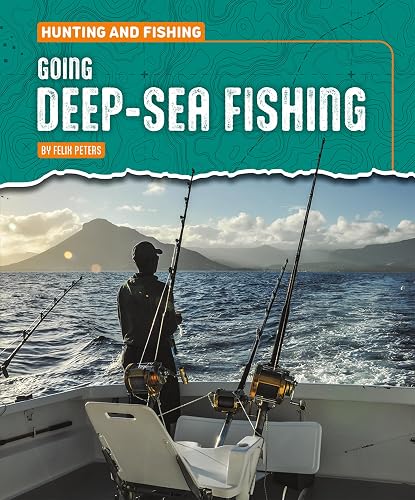 TOP CHOICEBest overallGoing Deep-Sea FishingView on Amazon
- 2
 TOP CHOICEBest for offshore techniqueOffshore Pursuit: A Complete Guide to Blue-water Sport FishingView on Amazon
- 3
 TOP CHOICEBest for knot practiceSaltwater Fishing Knot Cards: Guide to 15 Deep Sea KnotsView on Amazon
- 4
 Best for teen anglersThe Ultimate Fishing Book for Teen BoysView on Amazon
- 5
 Best for curious readersThe Science of Anglerfish: From Beginner to ExpertView on Amazon
- 6
 Best budget pickBasic Fishing: A Beginner's GuideView on Amazon
Our Top Picks
| Product | Best for | Key feature |
|---|---|---|
| Going Deep-Sea Fishing | Overall beginner orientation | Broad coverage of offshore basics |
| Offshore Pursuit: A Complete Guide to Blue-water Sport Fishing | Offshore technique | Focus on blue-water sport fishing methods |
| Saltwater Fishing Knot Cards: Guide to 15 Deep Sea Knots | Knot practice on the boat | Waterproof pocket format with 15 knots |
| The Ultimate Fishing Book for Teen Boys | Teen anglers | Casting, knots, bait and safety in one volume |
| The Science of Anglerfish: From Beginner to Expert | Curious readers and fish biology | Deep-sea adaptations and ocean survival |
| Basic Fishing: A Beginner’s Guide | Absolute starters on a budget | Plain-language introduction to fishing basics |
Going Deep-Sea Fishing
Going Deep-Sea Fishing (Hunting and Fishing)
Best for: Overall beginner orientation to offshore fishing
This is a good first read for someone who has fished from shore or a small boat and now wants to understand what changes when you head out past the inlet. It sets the context before you get into specific techniques.
Key specs:
- Format: Book covering deep-sea fishing from the hunting and fishing category
- Focus: Offshore fishing fundamentals and planning
Pros:
- Gives a broad overview before you commit to specialized techniques
- Helps you understand what gear and conditions to expect offshore
- Useful for planning your first charter or private boat trip
Cons:
- Broad overviews can leave some readers wanting more step-by-step detail
- Gear and regulations may change, so confirm current rules separately
Bottom line: A strong starting point for anyone who wants a big-picture understanding of deep-sea fishing before buying tackle.
Offshore Pursuit: A Complete Guide to Blue-water Sport Fishing
Offshore Pursuit: A Complete Guide to Blue-water Sport Fishing
Best for: Offshore technique for blue-water species
This book suits beginners who already know the basics and want to learn how offshore anglers approach trolling, drifting and chasing pelagic fish. It is more technique-focused than a general introduction.
Key specs:
- Format: Complete guide to blue-water sport fishing
- Focus: Offshore methods and target species
Pros:
- Covers techniques specific to open-water sport fishing
- Helpful for understanding how boat crews set up lines and spreads
- Good companion to a general overview book
Cons:
- Assumes some familiarity with boat terminology
- Less useful for shore or pier anglers
Bottom line: Best for beginners who plan to fish from a boat and want to learn offshore tactics in depth.
Saltwater Fishing Knot Cards: Guide to 15 Deep Sea Knots
Waterproof pocket guide to big game knots, includes inshore and deep sea fishing knots for salt water. Saltwater Fishing Knot Cards: Guide to 15 Deep Sea Knots
Best for: Knot practice on the boat
Knots fail more often than most beginners expect, and a pocket card you can check while rigging is practical. This suits anglers who learn best by tying a knot while looking at a diagram.
Key specs:
- Format: Waterproof pocket guide
- Coverage: 15 big game and deep sea knots
Pros:
- Waterproof format suits wet decks and tackle bags
- Covers both inshore and deep sea knots in one place
- Easy to keep in a pocket or tackle box
Cons:
- Diagrams alone may not replace hands-on instruction
- Limited to knots, so it does not teach tactics or fish ID
Bottom line: A low-commitment, practical reference for anyone learning to tie terminal knots for offshore rigs.
The Ultimate Fishing Book for Teen Boys
THE ULTIMATE FISHING BOOK FOR TEEN BOYS: A Beginner’s Guide to Casting, Knots, Bait, Tackle, Fish Identification, Outdoor Skills, Angling Techniques, and Safe Adventures
Best for: Teen anglers
Written for younger readers, this book covers casting, knots, bait, tackle and outdoor safety in accessible language. It is a sound choice for a teenager heading into deep water with a family group.
Key specs:
- Audience: Teen boys and beginners
- Topics: Casting, knots, bait, tackle, fish identification, safety
Pros:
- Covers a wide range of fundamentals in one volume
- Includes safety content suitable for young anglers
- Plain language makes it easy to follow
Cons:
- Broad coverage means offshore topics are not deeply explored
- Targeted at a younger audience, so experienced adults may find it basic
Bottom line: A good pick for a teen or young beginner who needs a complete foundation before trying offshore trips.
The Science of Anglerfish: From Beginner to Expert
THE SCIENCE OF ANGLERFISH: FROM BEGINNER TO EXPERT: A Complete Guide to Bioluminescence, Deep-Sea Adaptations, Extreme Reproduction, and Survival in the Ocean’s Darkest Depths
Best for: Curious readers and fish biology
This book is less about how to catch fish and more about the creatures that live in the deep ocean. It suits anglers who want to understand what they might encounter below the surface and why deep-sea species behave the way they do.
Key specs:
- Topics: Bioluminescence, deep-sea adaptations, reproduction, survival
- Focus: Anglerfish and deep-ocean biology
Pros:
- Builds background knowledge about deep-water species
- Engaging for readers interested in marine science
- Useful context for understanding why certain fish live at depth
Cons:
- Does not teach tackle, rigging or technique
- Focused on a single fish group rather than practical angling
Bottom line: Worth reading for curiosity about the deep ocean, but pair it with a technique book before your first trip.
Basic Fishing: A Beginner’s Guide
Basic Fishing: A Beginner's Guide
Best for: Absolute starters on a budget
This is a general primer for people who have never fished. It is the least specialized title here, so it works as a first step before moving to offshore-specific books.
Key specs:
- Format: Introductory beginner’s guide
- Focus: Fishing fundamentals
Pros:
- Accessible entry point for total beginners
- Covers basics that carry over to any saltwater setting
- Low commitment compared with specialized offshore guides
Cons:
- Not focused on deep-sea techniques or boat fishing
- Readers with some experience may outgrow it quickly
Bottom line: A sensible first book if you are new to fishing and want fundamentals before investing in offshore-specific reading.
Buying Guide
Match the Book to Your Experience Level
Beginners who have never held a rod benefit from a general primer, while anglers with shore or pier experience can move straight to offshore technique. Be honest about where you are starting, since a book that assumes too much will sit unread.
Good picks for this: Basic Fishing: A Beginner’s Guide, Going Deep-Sea Fishing
Check Whether the Book Covers Deep Water Specifically
Many fishing books focus on freshwater or inshore methods. Look for chapters on offshore trolling, drifting, big game species and boat rigging if your plans involve leaving the inlet.
Good picks for this: Offshore Pursuit: A Complete Guide to Blue-water Sport Fishing, Going Deep-Sea Fishing
Look for Knot Instruction
Terminal knots hold the fish and the rig together. A book with clear diagrams or a pocket reference you can use on deck is more useful than one that mentions knots in passing.
Good picks for this: Saltwater Fishing Knot Cards: Guide to 15 Deep Sea Knots, The Ultimate Fishing Book for Teen Boys
Consider Format and Portability
A waterproof card or compact guide survives spray and fits in a tackle bag. Full hardcovers are better for reading at home before a trip. Choose the format you will actually carry.
Good picks for this: Saltwater Fishing Knot Cards: Guide to 15 Deep Sea Knots, Basic Fishing: A Beginner’s Guide
Think About Who Will Read It
If a teen or child is joining you, a book written in plain language with safety content is a better fit than an advanced technical manual. Shared reading can also make pre-trip planning a family activity.
Good picks for this: The Ultimate Fishing Book for Teen Boys, Basic Fishing: A Beginner’s Guide
Decide How Much Biology You Want
Some readers want technique only, while others enjoy understanding the species and habitats they target. Deep-sea biology can add context, but it will not replace practical instruction on rigging and tactics.
Good picks for this: The Science of Anglerfish: From Beginner to Expert, Offshore Pursuit: A Complete Guide to Blue-water Sport Fishing
Plan for Safety and Local Rules
Offshore trips carry real risks, including weather changes, seasickness and cold water exposure. Books that cover safety are useful, but always check current regulations, licensing requirements and marine forecasts for your area with official sources before you go. For medical concerns such as seasickness medication, consult a doctor or pharmacist.
Good picks for this: The Ultimate Fishing Book for Teen Boys, Going Deep-Sea Fishing
FAQ
What is deep sea fishing for beginners, exactly?
Deep sea fishing usually means fishing in offshore waters, often beyond the continental shelf, for large species such as tuna, marlin or grouper. For beginners, it typically involves a charter or private boat, heavier tackle and longer days on the water.
Do I need a book before my first offshore trip?
A book is not required, but reading one before you go helps you understand knots, terminology and safety. Many charter captains and crews will also brief you, so a book works best as preparation rather than a replacement.
Which knot should a beginner learn first?
Most beginners start with the improved clinch knot for hooks and a reliable connection for leader material. A knot reference card lets you practice these until they feel natural before you rig for offshore species.
Are these books useful for shore or pier fishing?
General primers such as Basic Fishing: A Beginner’s Guide cover principles that apply in many settings. Offshore-focused titles are less relevant if you only fish from shore, so match the book to where you plan to fish.
Is a teen-focused book appropriate for adults?
Yes, especially for adults new to fishing. Plain-language books often make a good first read. Experienced anglers may find them too basic and prefer a technique-focused guide.
Do I need a fishing license for deep sea fishing?
Licensing rules vary by state and by federal waters, and charter trips may have their own requirements. Check current rules with your state wildlife agency or the National Marine Fisheries Service before you fish.
Conclusion
For most beginners, Going Deep-Sea Fishing offers the broadest orientation, while Offshore Pursuit suits anglers ready for technique. Saltwater Fishing Knot Cards is a practical companion for tying rigs on the boat. Teen readers and younger beginners will find The Ultimate Fishing Book for Teen Boys approachable, and The Science of Anglerfish appeals to curious readers who want deep-ocean context. Basic Fishing: A Beginner’s Guide is the simplest starting point if you are new to fishing altogether. Pair a general book with a knot reference and a safety check, and you will be better prepared for your first trip.
Sources
- Marine forecasts, safety guidance and fisheries information for offshore waters (noaa.gov)
- Federal fishing regulations, size limits and species management for saltwater anglers (fisheries.noaa.gov)
- Boating safety standards, life jacket guidance and offshore safety resources (uscg.mil)
Related reading
- 6 Best Deep Sea Fishing Gear for Beginners in 2026
- 5 Best Sea Bass Fishing Kit Picks for Beginners in 2026
- Why Knot Fishing the Dock: 4 Reasons Beginners Should Try It
- Where to Purchase a Fishing License: A Step-by-Step Guide for Beginners
About Miles Sinclair
Miles Sinclair is part of our editorial team and reviews and edits our beginner & family fishing guides, checking product details against manufacturer specifications and owner feedback.





